In recent years, Japan has significantly altered its defense posture, moving from a strictly pacifist stance to a more assertive military buildup. Traditionally bound by its post-World War II constitution, which emphasizes self-defense and prohibits offensive military actions, Japan is now re-evaluating its defense strategies amid escalating regional threats.
This transformation is largely driven by increasing tensions in the Asia-Pacific region, particularly from North Korea's nuclear ambitions and China's growing military presence. The Japan Self-Defense Forces (JSDF) have gradually expanded their capabilities, receiving increased funding and moving beyond their initial mandate of defensive operations. For instance, the Japanese government has approved record defense budgets, focusing on advanced technologies and modern military equipment.
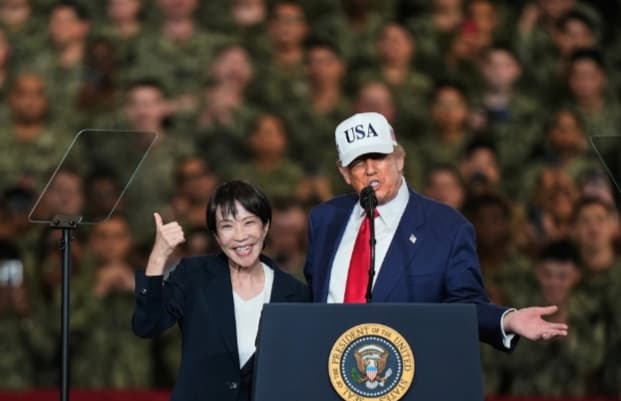
One of the most notable changes in Japan's military stance includes the acquisition of long-range missiles and the development of new defense systems. These initiatives aim to enhance deterrence against potential attacks and improve Japan’s ability to respond swiftly to threats. Additionally, Japan has begun to engage more actively with allied nations, including the United States, participating in joint military exercises and expanding defense cooperation agreements.
Public sentiment towards defense has also shifted, with growing recognition of the need for a robust military to ensure national security. Many Japanese citizens now acknowledge the importance of military preparedness in light of external threats, even as the nation grapples with its historical pacifism.
Critics, however, warn that this shift could provoke regional tensions and lead to an arms race in East Asia. There are concerns that Japan's military expansion may be viewed unfavorably by its neighbors, particularly China and South Korea, given the historical complexities of Japan's military past.
As Japan navigates this delicate balance, the evolving security landscape necessitates careful consideration of its defense policies. The nation's transition reflects a broader global trend of re-assessing military posture in response to changing geopolitical realities, raising essential questions about the future of Japan's role in regional security and international peacekeeping.
The evolving dynamics demand not only a reevaluation of military strategy but also a commitment to diplomacy and collaboration to foster stability and security in the region. As Japan steps into a new era of defense, its actions will undoubtedly have significant implications for national and regional security in the years to come.
Published by Banx Network. This article is part of the Banx decentralized media programme, powered by the BXE token on the XRP Ledger.