
Key Highlights
- Japan is transitioning from a pacifist military stance to a more assertive defense strategy.
- The shift is driven by rising tensions from North Korea and China's military expansion.
- Public sentiment is increasingly supportive of military preparedness in Japan.
Japan has undergone a significant transformation in its defense posture in recent years, moving away from its historically pacifist stance towards a more assertive military buildup. This shift is largely influenced by escalating regional threats, particularly from North Korea's nuclear ambitions and China's expanding military presence. Traditionally, Japan's post-World War II constitution emphasized self-defense and prohibited offensive military actions, but the current geopolitical climate has prompted a reevaluation of these long-standing principles.
The Japan Self-Defense Forces (JSDF) have gradually expanded their capabilities, receiving record funding and transitioning beyond their initial mandate of defensive operations. The Japanese government has approved unprecedented defense budgets, focusing on acquiring advanced technologies and modern military equipment. This includes the development of long-range missiles and new defense systems aimed at enhancing deterrence against potential attacks and improving Japan's ability to respond swiftly to threats.
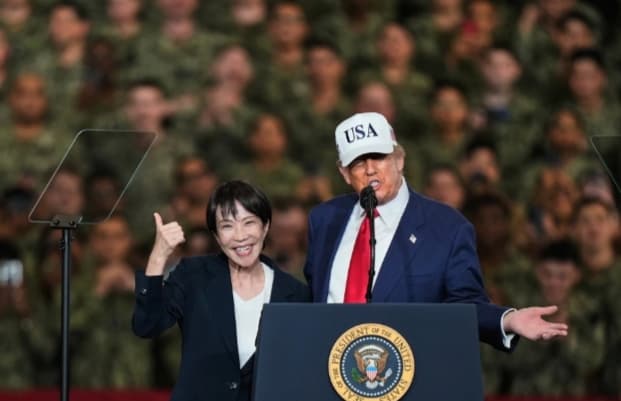
In addition to bolstering its military capabilities, Japan has begun to engage more actively with allied nations, particularly the United States. This includes participating in joint military exercises and expanding defense cooperation agreements. Such collaborations are seen as essential for strengthening regional security and ensuring that Japan can effectively respond to any emerging threats.
Public sentiment towards defense has also shifted significantly. Many Japanese citizens now recognize the importance of military preparedness in light of external threats, even as the nation grapples with its historical pacifism. This growing acceptance of a more robust military reflects a broader understanding of the need for national security in an increasingly volatile region.
However, this shift has not been without controversy. Critics warn that Japan's military expansion could provoke regional tensions and lead to an arms race in East Asia. There are concerns that Japan's actions may be viewed unfavorably by its neighbors, particularly China and South Korea, given the historical complexities surrounding Japan's military past. This delicate balance between enhancing defense capabilities and maintaining regional stability is a critical challenge for Japan's policymakers.
As Japan navigates this evolving security landscape, it is essential to consider not only military strategy but also the importance of diplomacy and collaboration with regional partners. The nation's transition reflects a broader global trend of reassessing military postures in response to changing geopolitical realities. Japan's actions in the coming years will have significant implications for both national and regional security, raising essential questions about its role in international peacekeeping and stability.
In conclusion, Japan's military transformation marks a pivotal moment in its defense policy, driven by the need to address emerging threats while balancing its historical commitment to pacifism. The future of Japan's defense strategy will undoubtedly shape the security dynamics of the Asia-Pacific region for years to come.
Published by Banx Network. This article is part of the Banx decentralized media programme, powered by the BXE token on the XRP Ledger.



