
Key Highlights
- Increased Demand:Japan's Monster Wolf robots are seeing renewed interest due to a rise in bear attacks.
- Wildlife Encounters:Communities are facing unprecedented bear encounters, prompting innovative deterrent solutions.
- Technological Integration:The robots symbolize a blend of modern technology and traditional wildlife management strategies.
Japan is witnessing a surge in bear encounters, leading to a renewed interest in the deployment of robotic wolves known as “Monster Wolves.” These animatronic devices, designed to scare away wildlife, are being utilized in rural areas where bear attacks have become increasingly common. The alarming rise in these encounters has prompted communities to seek innovative solutions to protect their residents and livestock.
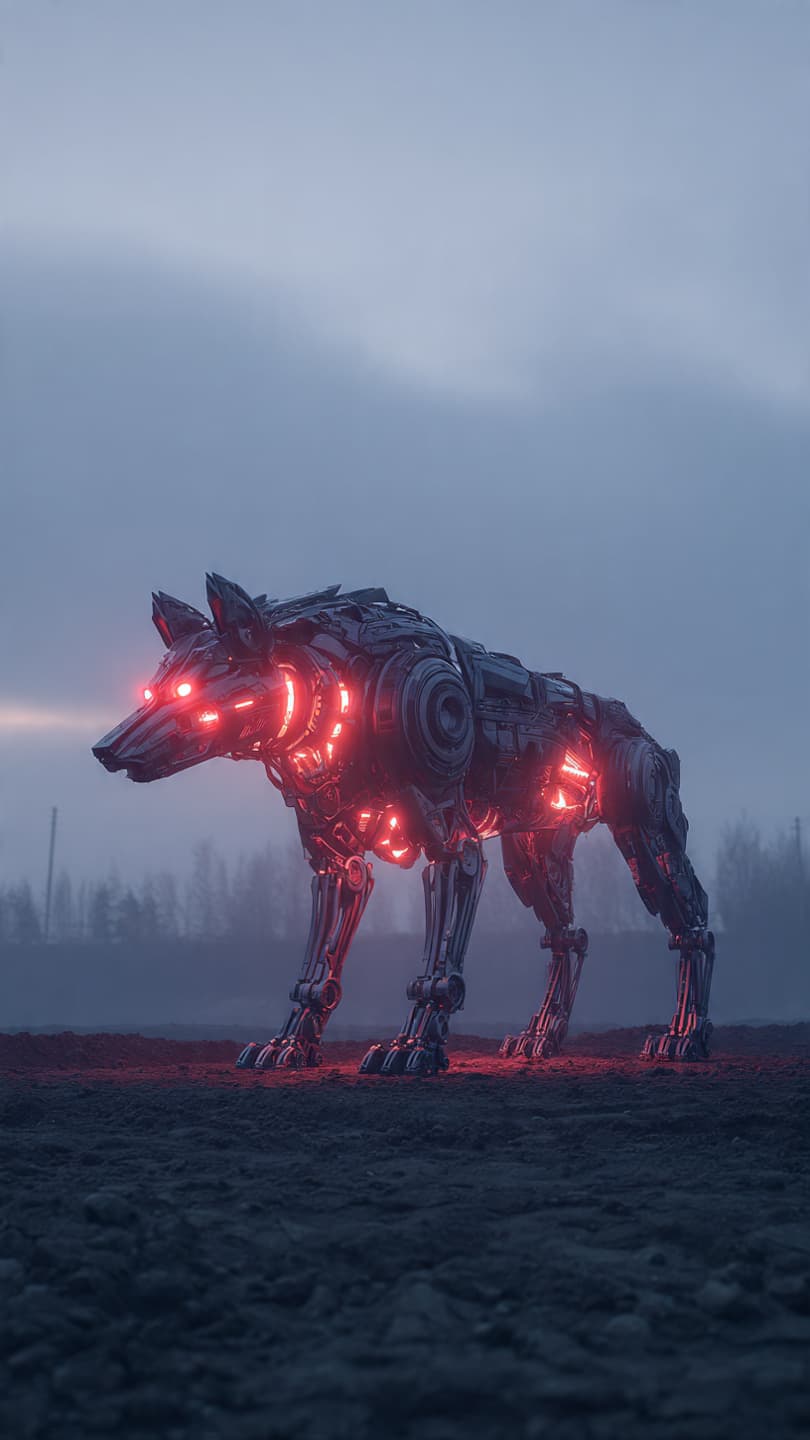
Originally developed several years ago, the Monster Wolf robots were created as a response to the growing number of wildlife encounters in agricultural regions. With features such as flashing red eyes, exaggerated wolf-like faces, and loud mechanical howls, these robots aim to create an intimidating presence that deters bears from entering populated areas. The recent spike in bear attacks has led to a resurgence in demand for these devices, as communities look for effective ways to safeguard their environments.
The increase in bear encounters can be attributed to several factors, including shrinking natural food sources, an expanding overlap between wildlife habitats and human settlements, and an aging rural population. As bears search for food, they are increasingly venturing into residential neighborhoods, schools, and even convenience stores, raising concerns among local residents. The heightened anxiety surrounding these encounters has been exacerbated by several high-profile attacks, prompting officials to explore various prevention strategies.
Experts suggest that changing environmental conditions are influencing bear behavior in Japan. Poor acorn harvests and shifts in forest ecosystems are pushing bears closer to human populations in search of food. Additionally, depopulation in rural areas has resulted in less human activity, which historically acted as a deterrent to wildlife movement. This combination of factors has created more opportunities for human-bear encounters, necessitating the implementation of innovative solutions like the Monster Wolf robots.
In response to the growing threat, officials have experimented with a range of wildlife management strategies, including patrol systems, electric fencing, and noise deterrents. However, the Monster Wolf robots have gained international attention for their surprising effectiveness in startling wildlife away from protected zones. Their unique design not only serves a practical purpose but also taps into cultural symbolism, as predator imagery has long been used to deter wildlife across various societies.
The Monster Wolf robots represent a fascinating intersection of technology and folklore, embodying a modern approach to an age-old problem. As rural communities increasingly rely on technological solutions to address labor shortages and wildlife management challenges, these robotic wolves stand as a testament to human ingenuity in the face of evolving environmental dynamics. They symbolize a broader effort to negotiate coexistence between expanding urban areas and the powerful wildlife that continues to inhabit them.
In conclusion, the deployment of Monster Wolf robots in Japan highlights the urgent need for innovative solutions to address the challenges posed by rising bear populations. As cities expand and ecosystems shift, the balance between human safety and wildlife preservation becomes increasingly complex, making these robotic deterrents a critical tool in ensuring the safety of rural communities.
Published by Banx Network. This article is part of the Banx decentralized media programme, powered by the BXE token on the XRP Ledger.



