
Key Highlights
- Japan's Foreign Affairs Minister criticizes the White House for using unauthorized Nintendo gameplay footage.
- The incident raises concerns about copyright and ethical considerations in political communications.
- The White House's use of game footage could trivialize serious geopolitical issues.
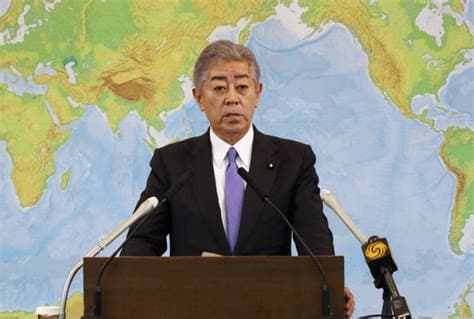
Japan’s Foreign Affairs Minister has publicly criticized the White House for its use of unauthorized Nintendo gameplay footage in a recent campaign video related to the ongoing conflict in Iran. This unexpected backlash underscores the complexities that arise at the intersection of politics and intellectual property rights, particularly when sensitive international relations are involved.
The controversial video was designed to communicate a specific narrative regarding the situation in Iran, yet it featured clips from a well-known Nintendo game without obtaining the necessary permissions from the company. This oversight has not only drawn ire from Japan but has also raised alarms among various stakeholders who are concerned about copyright infringement and ethical standards in political messaging.
In his remarks, the minister emphasized that utilizing copyrighted material without proper consent undermines the principles of respect and fairness that should govern international communications. This incident has ignited a broader debate about the responsibilities of government entities when they employ creative content for political purposes, especially in contexts that involve sensitive geopolitical issues.
As of now, Nintendo has not issued an official statement regarding the matter. However, the implications of this incident could lead to potential legal challenges for the White House. Critics have voiced concerns that incorporating game footage into a serious political context risks trivializing the gravity of geopolitical conflicts, thereby distracting from the harsh realities faced by those affected by such situations.
As this story continues to develop, it serves as a poignant reminder of the increasingly blurred lines between digital culture and formal political discourse. The fallout from this incident may prompt discussions about the need for clearer guidelines governing the use of creative content by government entities in the future. Moving forward, the White House may need to reevaluate its multimedia engagement strategies in political campaigns, particularly in relation to copyright laws and the nuances of international relations.
The incident not only highlights the importance of respecting intellectual property rights but also raises questions about the ethical implications of using entertainment media in serious political narratives. As governments navigate the complexities of modern communication, the lessons learned from this situation could shape future policies and practices regarding the use of creative content in political discourse.
Published by Banx Network. This article is part of the Banx decentralized media programme, powered by the BXE token on the XRP Ledger.



