
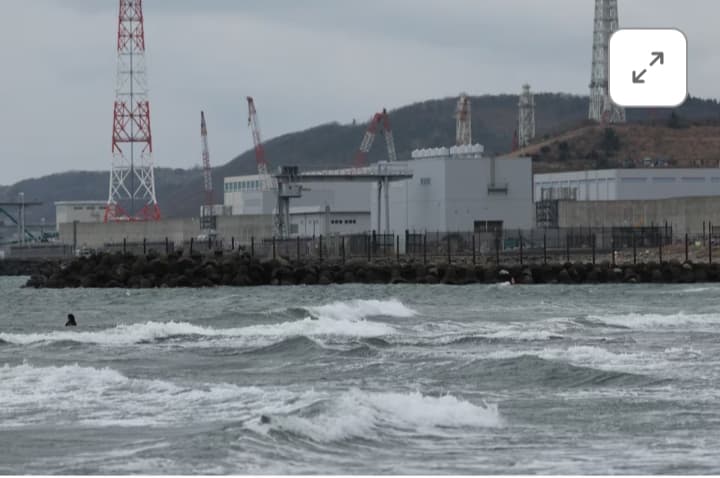
Key Highlights
- Restart Date:Japan is preparing to restart the Kashiwazaki-Kariwa nuclear power plant, the largest in the world, after a 15-year hiatus.
- Energy Demand:The decision comes amid rising energy demands and a push to reduce carbon emissions.
- Public Sentiment:Mixed reactions from residents and officials highlight ongoing safety concerns.
Japan is on the verge of restarting the Kashiwazaki-Kariwa nuclear power plant, the largest nuclear facility globally, after a prolonged shutdown that followed the Fukushima disaster in 2011. This significant decision comes as the country grapples with increasing energy demands and a pressing need to reduce carbon emissions in light of global climate change concerns. The restart of this plant marks a pivotal moment in Japan's energy policy, which has undergone substantial changes since the catastrophic events at Fukushima.
The Fukushima disaster, triggered by a massive earthquake and tsunami, led to reactor meltdowns and widespread radioactive contamination, prompting a nationwide reevaluation of nuclear safety. In the aftermath, the Japanese government implemented extensive safety reviews and regulatory reforms aimed at ensuring the safety of nuclear facilities across the nation. As preparations for the Kashiwazaki-Kariwa plant's restart intensify, regulators have assured the public that stringent safety protocols are in place to mitigate the risks associated with nuclear energy. These measures include advanced safety systems designed to withstand natural disasters and robust emergency response plans.
Despite these assurances, public sentiment remains mixed. Many residents and local officials express deep concerns about the safety of operating such a large facility in a disaster-prone region. Protests have emerged, voicing opposition and urging caution, with many citing the memories of the Fukushima catastrophe and the long-term effects of radiation exposure. The emotional scars from the disaster continue to influence public opinion, making the path to acceptance of nuclear energy a challenging one.
In addition to safety concerns, questions linger about the plant's ability to compete with renewable energy sources. Japan is investing heavily in solar, wind, and other sustainable technologies, leading to debates about the future role of nuclear energy in the country's energy mix. As the government pushes for a more diversified energy portfolio, the balance between nuclear and renewable energy sources remains a contentious topic.
As the restart date approaches, Japan faces the dual challenge of securing energy supplies while restoring public trust in nuclear safety. The outcome of this situation could significantly influence the direction of Japan's energy policy and its commitment to nuclear power in the coming years. Stakeholders from various sectors, including government officials, energy companies, and environmental groups, are closely monitoring the developments surrounding the Kashiwazaki-Kariwa plant restart, as it represents a critical juncture in Japan's energy future.
The situation continues to evolve, with ongoing discussions about the implications of nuclear energy in a world increasingly focused on sustainability and safety. As Japan navigates these complex issues, the eyes of the world remain on its decisions regarding nuclear power and energy policy.
Published by Banx Network. This article is part of the Banx decentralized media programme, powered by the BXE token on the XRP Ledger.



