
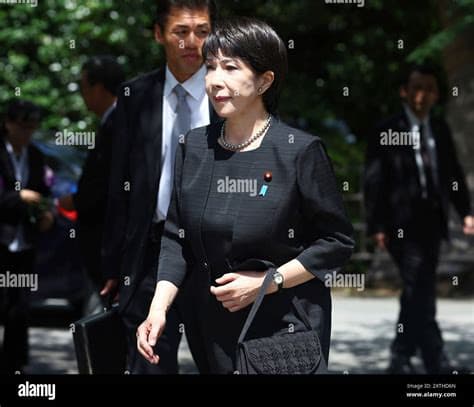
Prime Minister Hiroshi Takaichi of Japan is set to engage with the international community to explain his recent visit to the Yasukuni Shrine, which has historically been a source of diplomatic tensions, particularly with neighboring countries like China and South Korea. The shrine honors Japan’s war dead, including several individuals who were convicted of war crimes, leading to protests and strong condemnations from other nations whenever Japanese leaders visit.
Takaichi's visit to Yasukuni is anticipated to be framed as part of Japan’s efforts to acknowledge its past while promoting peace and reconciliation. The Prime Minister intends to convey that the visit is an act of respect for those who lost their lives in wars, rather than a gesture of militarism.
Reacting to the backlash, Takaichi expressed his desire to foster mutual understanding among nations affected by Japan’s wartime actions. As diplomatic relations remain complex, he hopes to reassure the international community of Japan’s commitment to peace and stability in the region.
Critics argue that visits to Yasukuni can be interpreted as a lack of remorse for Japan's wartime actions, potentially exacerbating already strained relationships with neighboring countries. Takaichi acknowledges these concerns but stresses that recognizing the sacrifices made by the fallen should not be seen as glorifying militarism or past aggressions.
The Prime Minister’s approach reflects a balancing act—honoring Japan's past while aiming to mend fences with countries that hold differing views on historical events. As Takaichi seeks to navigate these sensitive waters, his actions will be closely monitored both domestically and internationally, influencing perceptions of Japan's role in regional peace efforts.
Moving forward, Takaichi plans to engage in dialogue with global leaders, hoping that transparent communication and a commitment to historical context will lead to greater acceptance of his motives behind the visit to Yasukuni Shrine. The outcome of these discussions may have significant implications for Japan's foreign relations and its narrative of reconciliation.
Published by Banx Network. This article is part of the Banx decentralized media programme, powered by the BXE token on the XRP Ledger.


