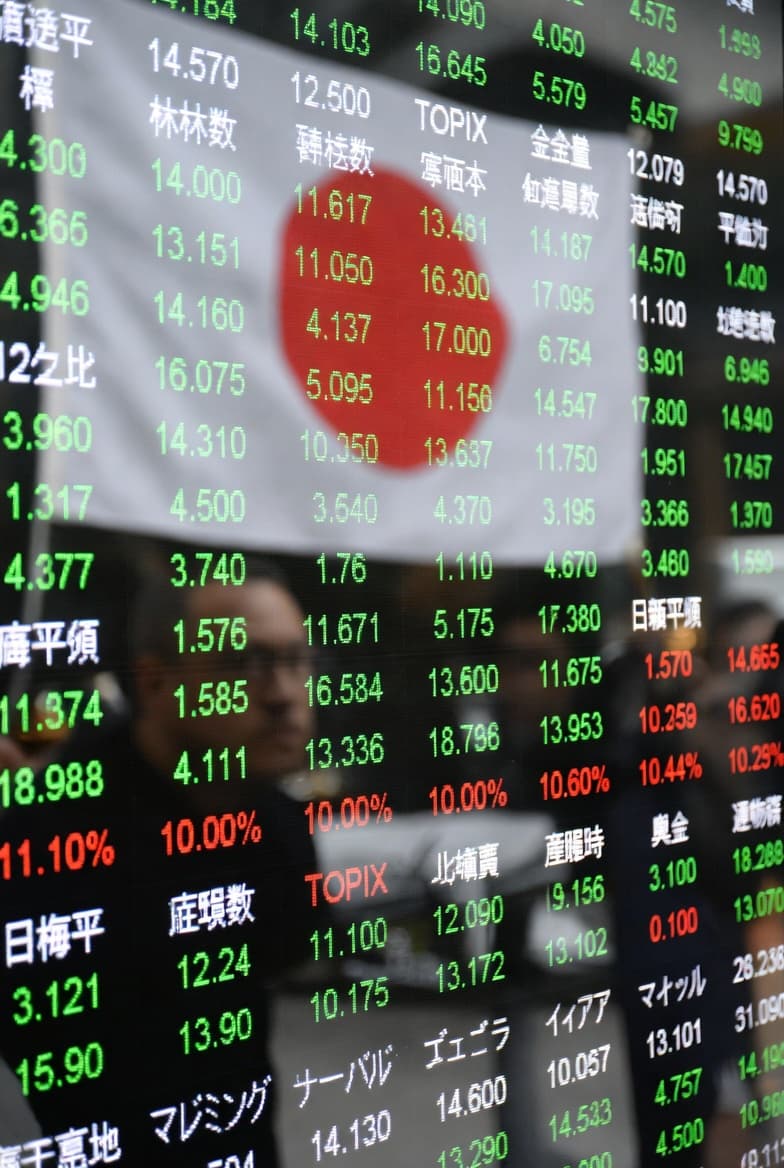
A Market Fueled by Excess Liquidity
The recent surge in the Nikkei 225 has been largely driven by an extraordinary monetary environment. For more than a decade, the Bank of Japan (BoJ) maintained ultra-low interest rates and injected massive liquidity into the financial system. While these policies stabilized markets, they also inflated asset prices beyond underlying economic fundamentals.
That era appears to be ending. Inflation, long absent from Japan’s economic landscape, has firmly returned. As a result, the BoJ has begun signaling a gradual shift away from its ultra-accommodative stance—marking a historic transition that could remove a key pillar supporting equity valuations.
The Weak Yen: From Tailwind to Trigger
Currency dynamics represent another major risk factor. A persistently weak yen has boosted export competitiveness and inflated corporate earnings, attracting substantial foreign capital into Japanese equities. However, any abrupt reversal in the yen—triggered by tighter monetary policy or declining investor confidence—could prompt rapid and disorderly capital outflows.
Such a shift would likely accelerate market declines, particularly given the heavy exposure of international funds to Japanese assets.
Record Debt and Structural Fragility
Japan carries one of the highest public debt burdens in the world. While manageable under near-zero interest rates, even modest increases in bond yields could place significant strain on public finances and the broader financial system.
Japanese banks, insurers, and pension funds are deeply invested in government bonds. A sudden repricing of these assets could trigger balance sheet stress, potentially spilling over into equity markets and creating systemic risks.
Global Contagion Risk
A major stock market downturn in Japan would not remain a domestic issue. As the world’s third-largest economy, Japan is deeply embedded in global capital markets. A sharp decline in the Nikkei could ignite broader volatility across Asia, the United States, and Europe.
Investors are particularly wary of a domino effect—where falling confidence in one major market cascades into others, echoing patterns seen during past global financial crises.
Investors Shift Toward Risk Management
While few analysts predict an immediate crash, an increasing number warn that conditions are in place for a severe correction. Elevated valuations, shifting monetary policy, excessive debt levels, and reliance on foreign capital form a fragile mix.
For investors, Japan may be entering a decisive phase—one where disciplined risk management becomes just as critical as the pursuit of returns.
Published by Banx Network. This article is part of the Banx decentralized media programme, powered by the BXE token on the XRP Ledger.