

Key Highlights
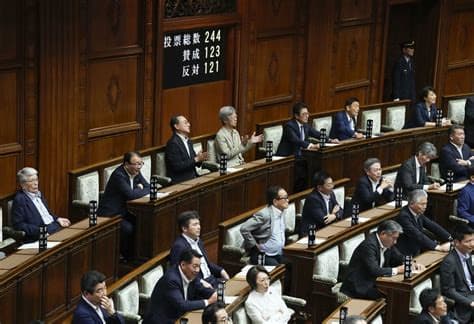
- Legislation Passed:Japan's parliament has approved a bill to create a second capital.
- Purpose:The new capital aims to decentralize administrative functions and enhance disaster resilience.
- Legislative Timeline:The bill was enacted before the conclusion of the 2026 Diet session.
Japan’s parliament, known as the Diet, has recently passed a significant piece of legislation aimed at establishing a “second capital.” This initiative is designed to serve as a backup for Tokyo’s core functions during major disasters or emergencies, reflecting a proactive approach to disaster management in a country frequently affected by natural calamities.
The ruling Liberal Democratic Party (LDP), along with its junior coalition partner, the Japan Innovation Party, has been instrumental in pushing this measure forward. The primary goal of the legislation is to decentralize administrative power, thereby reducing the concentration of governmental functions in Tokyo. This move is seen as a critical step towards enhancing the resilience of Japan’s governance structure, particularly in light of the increasing frequency of disasters such as earthquakes and typhoons.
Lawmakers aimed to complete the enactment of this bill by the end of the current Diet session, which is set to conclude on July 17. The urgency of this legislative action reflects the government’s commitment to ensuring that essential functions can continue even in the face of significant disruptions. The passage of the bill marks a pivotal moment in Japan’s legislative history, as it seeks to address long-standing concerns about the vulnerabilities associated with having a single, concentrated capital.
Despite the support from the ruling parties, the bill has not been without controversy. Opposition parties have raised questions regarding the operational aspects of the proposed second capital. Concerns have been voiced about how effectively the new system will function in practice, particularly in terms of resource allocation and administrative efficiency. The debate surrounding these issues highlights the complexities involved in implementing such a transformative policy.
As the 2026 Diet session draws to a close, the approval of the second capital bill signifies a noteworthy achievement for the Japanese government. It underscores a strategic shift towards a more resilient and decentralized governance model, which could serve as a blueprint for future legislative initiatives aimed at enhancing national preparedness and response capabilities.
The implications of this legislation extend beyond immediate administrative concerns; they touch upon broader themes of national security and disaster preparedness. By establishing a second capital, Japan is taking proactive steps to safeguard its governmental functions and ensure continuity in the face of potential crises.
In conclusion, the passage of the second capital bill represents a significant legislative milestone for Japan, reflecting a commitment to enhancing the nation’s resilience against disasters while also addressing the challenges posed by centralized governance. As the Diet prepares to adjourn, the focus will now shift to the implementation of this ambitious initiative and its potential impact on Japan’s administrative landscape.
Published by Banx Network. This article is part of the Banx decentralized media programme, powered by the BXE token on the XRP Ledger.




