
Key Highlights
- Date of Incident:Japan confirmed its first fatal bear attack of 2026 on May 8.
- Victim:A 69-year-old woman, Kumagai Chiyoko, was found dead in Iwate prefecture.
- Rising Concerns:Authorities are investigating two more deaths possibly linked to bear attacks.
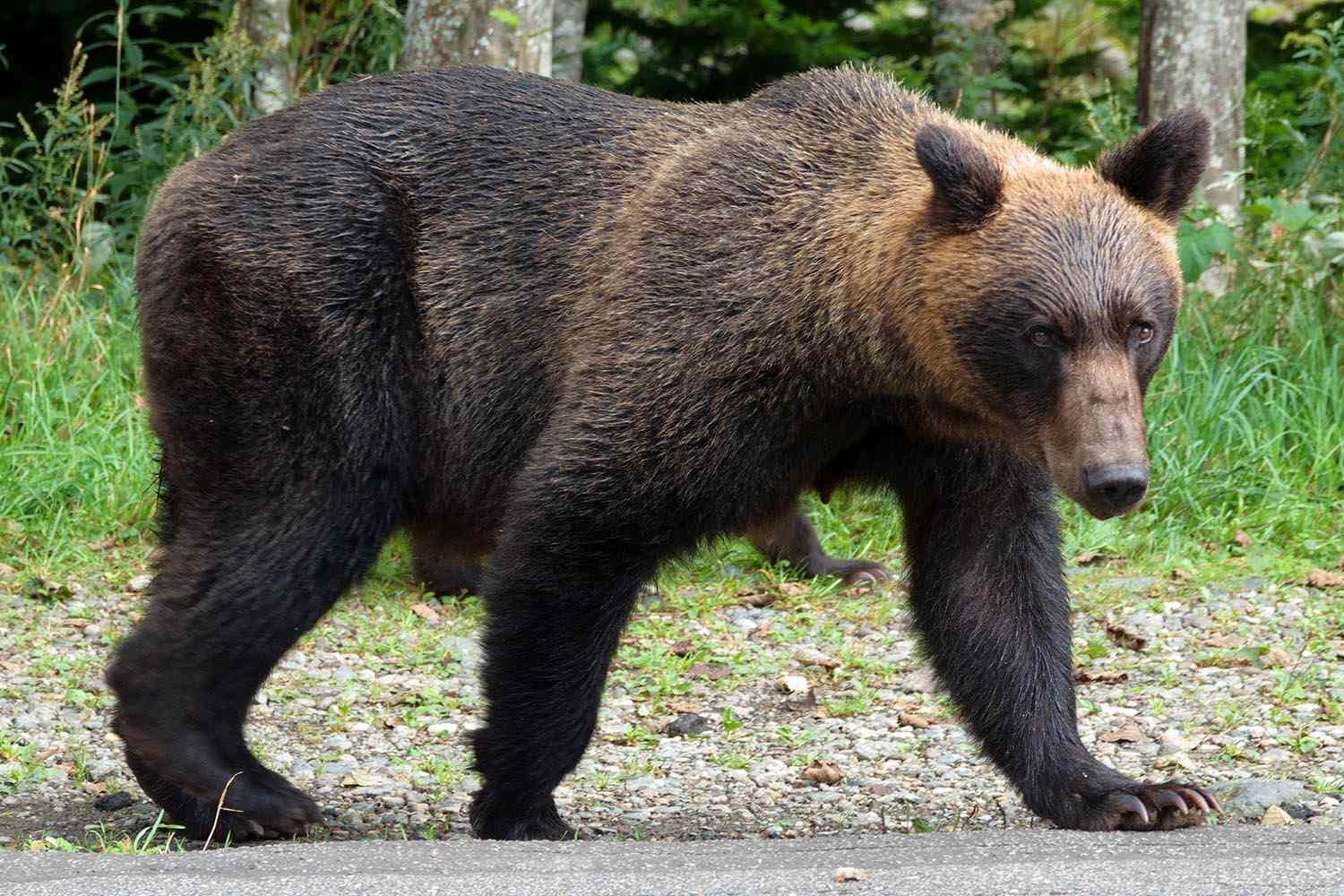
On May 8, 2026, Japanese officials confirmed the first fatal bear attack of the year, following the tragic death of a woman on April 21 in Iwate prefecture. This incident has raised significant concerns regarding public safety and wildlife management in the region. The authorities are also investigating two additional deaths that may be connected to bear encounters, highlighting a troubling trend in bear-related incidents across Japan.
The first of the two additional bodies was discovered in Iwate on Thursday, while the second was found in a forest in Yamagata prefecture on Tuesday. Police have stated that investigations into these cases are ongoing, but they have not released further details at this time. The situation is alarming, especially considering that last year, Japan recorded a staggering 13 fatalities due to bear attacks, marking a significant increase in such incidents.
In the most recent case, the victim, 69-year-old Kumagai Chiyoko, went missing while foraging for wild plants in a mountainous area. Her vehicle was located parked in the forest, prompting a search operation that ultimately led rescuers to her body, which showed injuries consistent with bear attacks. This incident underscores the dangers that individuals face when venturing into bear habitats, particularly during foraging seasons.
In response to the rising number of bear encounters, local government officials have initiated measures to enhance public safety. Starting Friday, hunters will be mobilized to patrol areas identified as high-risk, aiming to prevent further incidents. The Environment Ministry has pointed to a combination of factors contributing to the increasing bear population, including a declining human population in rural areas, which has led to more frequent encounters between bears and people.
Statistics reveal that in the past year alone, 216 individuals were injured in bear attacks across Japan, a notable surge compared to previous years. This alarming trend has prompted authorities to reevaluate their strategies for managing wildlife and ensuring public safety. Experts emphasize that the growing human encroachment into bear habitats is a critical concern that needs to be addressed to mitigate the risks associated with these encounters.
As the frequency of bear-related incidents continues to rise, Japanese authorities face the challenge of balancing wildlife conservation efforts with the need to protect public safety. The situation calls for enhanced strategies and community awareness to reduce the likelihood of future bear encounters, ensuring that both wildlife and human populations can coexist safely in shared environments.
Published by Banx Network. This article is part of the Banx decentralized media programme, powered by the BXE token on the XRP Ledger.



