
Key Highlights
- Target:Japan aims to increase female engineering students from 18% to 36% by 2040.
- Government Support:Financial aid and incentives will be provided to universities.
- Strategic Fields:Focus on sectors like AI, aviation, and aerospace.
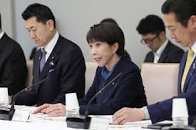
Japan is taking significant steps to enhance gender equality in higher education, particularly in engineering fields. The government has set an ambitious goal to double the proportion of female university students majoring in engineering from 18% in 2025 to 36% by 2040. This initiative is part of a broader strategy to address the underrepresentation of women in critical sectors such as artificial intelligence, aviation, and aerospace, which are deemed strategically important by the administration of Prime Minister Sanae Takaichi.
The draft annual Basic Policy on Gender Equality and Empowerment of Women outlines the government's commitment to increasing female participation in science and technology. The current percentage of female students in engineering faculties is significantly low, highlighting the urgent need for intervention. By aiming for a 36% representation, the government hopes to not only fill the gaps in these industries but also to inspire a new generation of women to pursue careers in STEM.
To facilitate this increase, the government plans to implement various support measures. Financial assistance in the form of grants and subsidies will be directed towards universities that actively recruit female students into their science and engineering programs. This financial backing is intended to alleviate some of the barriers that women face when entering these fields, which have traditionally been male-dominated.
In addition to direct financial support for educational institutions, the government is also considering broader measures to support working women. Proposed initiatives include tax incentives aimed at making housekeeping and babysitting services more accessible. By addressing the challenges that women encounter in balancing work and family responsibilities, the government hopes to create a more conducive environment for women to pursue careers in engineering and other STEM fields.
This initiative reflects a growing recognition of the importance of diversity in engineering and technology sectors. By increasing the number of women in these fields, Japan aims to foster innovation and ensure that its workforce is equipped to meet the challenges of the future. The government's proactive approach signals a commitment to not only gender equality but also to enhancing the overall competitiveness of Japan's economy in a rapidly evolving global landscape.
As Japan moves forward with these plans, the success of this initiative will depend on the collaboration between government, educational institutions, and the private sector. Stakeholders will need to work together to create an environment that encourages and supports women in engineering, ultimately leading to a more balanced and diverse workforce.
Published by Banx Network. This article is part of the Banx decentralized media programme, powered by the BXE token on the XRP Ledger.



