Key Highlights
- Italy fully supports Germany's entry into the Global Combat Air Programme (GCAP).
- Reports suggesting Italy attempted to block Germany's participation have been labeled misleading.
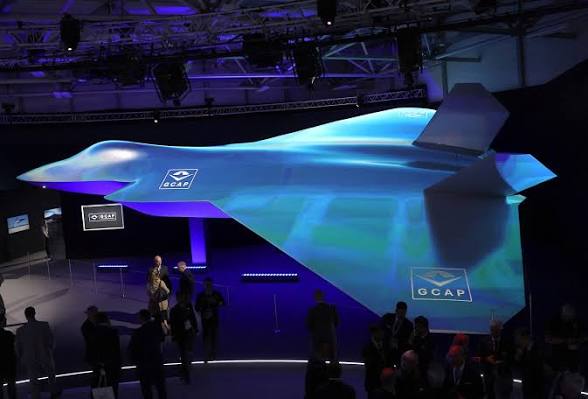
- GCAP aims to develop a next-generation fighter jet by 2035, led by Italy, Britain, and Japan.
Italy has officially expressed its full support for Germany's participation in the Global Combat Air Programme (GCAP), a collaborative initiative aimed at developing a next-generation fighter jet by 2035. This announcement comes in response to recent reports that suggested Italy was attempting to block Germany's entry into the program. The Italian government has categorically rejected these claims, describing them as misleading and unfounded.
In a statement, Italian officials clarified that they had initially proposed that Germany participate as an observer in the program. This arrangement was intended to facilitate information-sharing among the partner nations while ensuring that the program's timeline remains intact. By allowing Germany to observe, Italy believes it can accelerate the path to full membership for Berlin, ultimately strengthening the collaborative efforts of the three nations involved in the GCAP.
The Global Combat Air Programme is a significant military collaboration involving Italy, Britain, and Japan. The initiative aims to create a next-generation fighter jet that will replace existing aircraft and enhance the capabilities of the participating nations' air forces. The program is seen as a crucial step in maintaining technological superiority in an increasingly competitive global defense landscape.
During a recent meeting with representatives from the three partner nations, Italy reiterated its commitment to the GCAP and its support for Germany's involvement. The meeting served as a platform for discussing the future of the program and the roles that each nation will play in its development. Italy's Prime Minister Giorgia Meloni emphasized the importance of collaboration and mutual support among the nations to achieve the ambitious goals set forth by the GCAP.
As the program progresses, the inclusion of Germany is expected to bring additional resources and expertise to the table, further enhancing the capabilities of the next-generation fighter jet. The partnership aims not only to develop advanced military technology but also to foster stronger ties among the nations involved, promoting stability and security in the region.
In conclusion, Italy's support for Germany's entry into the Global Combat Air Programme marks a significant step in international military collaboration. As the nations work together towards a common goal, the future of the GCAP looks promising, with the potential to reshape the landscape of modern air combat.
Published by Banx Network. This article is part of the Banx decentralized media programme, powered by the BXE token on the XRP Ledger.