
Key Highlights
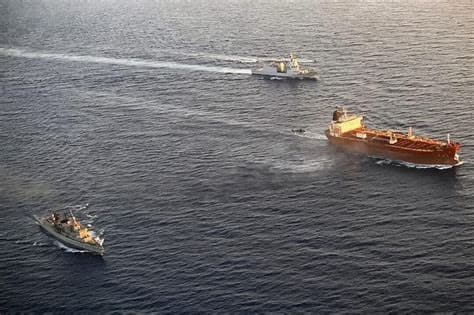
- EU Mission:An Italian-led naval mission boarded the sanctioned tanker Toa Payoh.
- Location:The operation occurred west of Pantelleria, Italy.
- Vessel Details:The tanker was reportedly flying a Cameroon flag after a recent registry switch.
An Italian-led EU naval mission successfully boarded the sanctioned tanker Toa Payoh on Sunday, marking a significant operation against vessels linked to Russia's so-called "shadow fleet." The boarding took place in the Mediterranean Sea, specifically west of the Italian island of Pantelleria, as the tanker was en route from Benin to Istanbul. This operation was conducted by EUNAVFOR MED Irini, a European Union naval force established to enforce an arms embargo on Libya and combat human trafficking in the Mediterranean.
The tanker Toa Payoh has drawn attention due to its connections with Russian maritime operations, particularly in light of ongoing sanctions against Russia following its actions in Ukraine. According to Italy’s Defence Ministry, the vessel was flying a Cameroon flag at the time of the boarding, having switched registries just a week prior. This change raised suspicions and prompted EU forces to conduct verification checks to ascertain the legitimacy of the vessel's operations.
During the boarding, EU forces gathered necessary documentation related to the tanker. However, it is important to note that they did not possess the authority to seize the ship at that moment. This limitation highlights the complexities involved in enforcing maritime sanctions, particularly when dealing with vessels that may attempt to evade scrutiny by changing flags or registries.
The operation underscores the EU's commitment to monitoring and regulating maritime activities that may contravene international sanctions. The Toa Payoh's inspection is part of a broader strategy to disrupt the logistics of the shadow fleet, which has been utilized by Russia to circumvent sanctions and continue its maritime operations despite international restrictions.
As the geopolitical landscape continues to evolve, the actions taken by the EU naval mission reflect a proactive approach to ensuring compliance with international law and maintaining security in the Mediterranean region. The implications of such operations extend beyond immediate enforcement, as they contribute to the broader efforts to uphold the rule of law on the high seas and deter illicit maritime activities.
The EU's ongoing commitment to these operations will likely remain a focal point in discussions surrounding maritime security and international relations, particularly in the context of the ongoing conflict in Ukraine and its global ramifications.
Published by Banx Network. This article is part of the Banx decentralized media programme, powered by the BXE token on the XRP Ledger.



