

Key Highlights
- Event:Italian-led EU naval mission boards sanctioned tanker.
- Vessel:Toa Payoh, linked to Russia's shadow fleet.
- Location:Inspection took place west of Pantelleria.
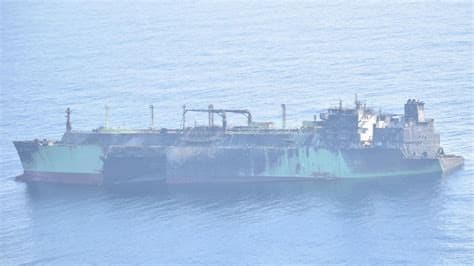
An Italian-led European Union naval mission successfully boarded the sanctioned tanker Toa Payoh, which is part of Russia’s so-called “shadow fleet,” on Sunday. The operation was conducted by EUNAVFOR MED Irini, a mission aimed at enforcing the United Nations arms embargo on Libya. The inspection occurred west of Pantelleria, an island located between Sicily and Tunisia, as the tanker was en route from Benin to Istanbul.
According to Italy’s Defence Ministry, the Toa Payoh was flying a Cameroon registry, which had been switched just a week prior to the inspection. This change raised suspicions about the vessel's activities and its potential links to illicit operations. During the boarding, the EU mission's personnel focused on checking the documentation of the tanker, which is crucial for determining its compliance with international sanctions.
While the EUNAVFOR MED Irini mission did not have the authority to seize the vessel during this inspection, the materials gathered could support future national actions against the tanker. This operation underscores the EU's commitment to enforcing sanctions against entities linked to Russia, particularly in light of ongoing geopolitical tensions stemming from the conflict in Ukraine.
The Toa Payoh is one of several vessels identified as part of Russia's shadow fleet, which has been known to operate under various flags to evade sanctions. The use of such tactics highlights the challenges faced by international authorities in monitoring and regulating maritime activities that may contravene established sanctions.
The EU's naval operations in the Mediterranean have been ramped up in response to the increasing complexity of maritime security issues, including the movement of sanctioned vessels. The inspection of the Toa Payoh is part of a broader strategy to deter illegal activities at sea and ensure compliance with international law.
As the situation evolves, the EU and its member states are likely to continue their efforts to monitor and inspect vessels suspected of violating sanctions, particularly those linked to Russia. The implications of these operations extend beyond immediate enforcement actions, as they contribute to the broader geopolitical landscape and the EU's stance on maritime security and international law enforcement.
Published by Banx Network. This article is part of the Banx decentralized media programme, powered by the BXE token on the XRP Ledger.




