
Key Highlights
- Ongoing Ebola outbreak in Central Africa has over 1,028 suspected cases.
- Italian and Brazilian authorities are investigating potential Ebola cases.
- WHO emphasizes the need for safe burials and early medical care.
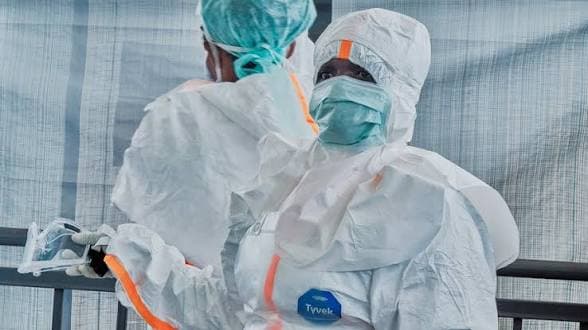
As the Ebola outbreak in Central Africa continues to expand, Italian and Brazilian authorities are rigorously investigating possible cases of the virus within their borders. The World Health Organization (WHO) has noted that the outbreak is likely more extensive than current figures suggest, having probably begun circulating before it was officially recognized. This alarming situation has prompted health officials in both countries to take swift action to assess and manage potential risks.
In Brazil, health officials reported a suspected case in São Paulo, where a man who recently traveled to the Democratic Republic of the Congo (DRC) exhibited symptoms consistent with Ebola. Although he tested positive for meningitis, authorities cannot dismiss the possibility of Ebola, given the man's travel history. Another case was identified in Rio de Janeiro, where a patient tested positive for malaria, but similar caution applies as Ebola could not be ruled out. These developments have raised concerns about the potential for the virus to spread beyond Central Africa.
In Italy, a situation unfolded in the capital of Sardinia, Cagliari, where a symptomatic patient who had recently returned from the Congo was admitted to the hospital. Protocols for handling suspected Ebola cases were promptly activated, reflecting the seriousness with which health authorities are treating these potential threats. The Italian Ministry of Health has urged citizens to remain vigilant and report any unusual symptoms, particularly in individuals who have traveled to affected regions.
The Ebola outbreak in the DRC has recorded over 1,028 suspected cases and at least 225 confirmed cases of the Bundibugyo strain since it was declared a public health emergency earlier in May. The WHO urges communities in affected areas to practice safe burials and seek immediate medical care at the onset of symptoms, as early treatment can significantly improve survival rates. The organization has also emphasized the importance of international cooperation in combating the outbreak and preventing its spread.
Dr. Tedros Adhanom Ghebreyesus, WHO Director-General, has highlighted the urgency of increasing international support for the affected regions, as the local health infrastructure is severely strained. He noted that without adequate resources and assistance, the situation could worsen, leading to more cases and fatalities.
Both Italian and Brazilian health agencies are maintaining vigilance as they evaluate these potential cases, understanding that the risk of broader infection must be closely monitored. The situation remains fluid, and authorities are prepared to implement further measures if necessary to protect public health and prevent the spread of Ebola beyond Central Africa.
Published by Banx Network. This article is part of the Banx decentralized media programme, powered by the BXE token on the XRP Ledger.



