
Key Highlights
- Turkish Warning:Turkey reportedly warned against a Kurdish incursion into Iran during a recent U.S.-Israeli conflict.
- Aerial Defense Discussion:Ankara discussed providing Iran with aerial defense against potential strikes.
- Trump's Involvement: Former President Trump claims he advised Erdogan to avoid entering the conflict.
Israeli public broadcaster Kan 11 has reported that Turkey issued a warning to prevent a Kurdish incursion into Iran during the early stages of a U.S.-Israeli conflict involving Tehran earlier this year. This development highlights the complex geopolitical dynamics in the region, particularly concerning Kurdish groups and their aspirations, which have often been met with resistance from Turkey due to its own internal security concerns.
The report indicates that Ankara was not only concerned about the potential for Kurdish forces to cross into Iran but also discussed the possibility of offering Iran aerial defense capabilities against Israeli and U.S. military strikes. This move would signify a significant shift in Turkey's foreign policy, aligning it more closely with Iran amid rising tensions in the region. The implications of such a defense agreement could alter the balance of power and complicate the already intricate relationships among Turkey, Iran, and Israel.
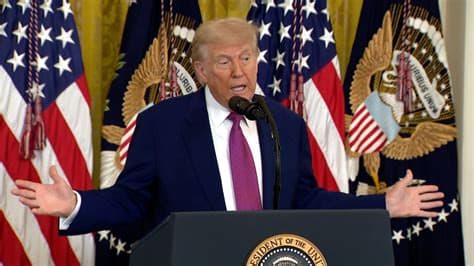
Former U.S. President Donald Trump commented on the situation, stating that he had warned Turkish President Recep Tayyip Erdogan against joining the conflict. Trump claimed that his advice was instrumental in persuading Erdogan to “stay out” of the fighting, suggesting that U.S. diplomatic efforts played a role in shaping Turkey's response to the conflict. This interaction underscores the influence of U.S. leadership on regional alliances and conflicts.
The Kurdish issue remains a contentious topic in Middle Eastern politics, with various groups seeking autonomy or independence. Turkey's apprehension about Kurdish movements is rooted in its own Kurdish population, which has long sought greater rights and recognition. The potential for a Kurdish incursion into Iran could have far-reaching consequences, not only for Turkey and Iran but also for the broader stability of the region.
As the situation evolves, the international community will be closely monitoring Turkey's actions and its implications for U.S.-Israeli relations. The dynamics of this conflict are likely to influence future diplomatic engagements and military strategies in the region, particularly as both Turkey and Iran navigate their respective national interests amidst external pressures.
Published by Banx Network. This article is part of the Banx decentralized media programme, powered by the BXE token on the XRP Ledger.



