Key Highlights
- Incident:14-year-old Moataz Daghlas was killed by Israeli forces in Burqa.
- Injuries:Two other individuals were reported injured during the incident.
- Ongoing Tensions:The circumstances surrounding the shooting remain disputed.
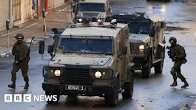
On Monday evening, a tragic incident unfolded in Burqa, a village located northwest of Nablus in the occupied West Bank, where 14-year-old Moataz Daghlas was killed by Israeli forces, according to the Palestinian health ministry. The military operation, which was reportedly aimed at addressing perceived threats, has sparked significant controversy and raised questions about the use of force in such situations.
The Israeli military stated that soldiers opened fire on individuals they believed were preparing to throw stones, categorizing them as a threat. This assertion reflects the ongoing tensions in the region, where confrontations between Israeli forces and Palestinian residents frequently escalate. The military's justification for the use of lethal force has been met with skepticism by various human rights organizations and local witnesses.
In the aftermath of the shooting, the Palestinian Red Crescent reported that its medical teams treated two individuals who sustained injuries during the incident. However, they faced obstacles in reaching another person who was also injured, highlighting the challenges faced by emergency responders in conflict zones. The inability to provide timely medical assistance raises concerns about the safety and rights of civilians in such volatile environments.
Relatives of Moataz Daghlas have expressed their outrage and grief, claiming that authorities are withholding his body. This practice, often referred to as 'body withholding,' is a contentious issue that has been criticized by human rights advocates, who argue that it adds to the suffering of families already grappling with loss. The situation underscores the broader humanitarian implications of the ongoing conflict.
As the incident continues to unfold, both sides have presented conflicting narratives regarding the events that transpired. The Israeli military maintains that their actions were necessary for self-defense, while Palestinian officials and witnesses argue that the use of lethal force was unjustified and excessive. This divergence in accounts reflects the complex and often fraught nature of reporting on violence in the region.
The death of Moataz Daghlas is a stark reminder of the human cost of the Israeli-Palestinian conflict, particularly among the youth. As tensions remain high, the international community watches closely, urging both sides to exercise restraint and seek pathways toward peace. The ongoing violence not only affects those directly involved but also perpetuates a cycle of fear and retaliation that has persisted for decades.
Published by Banx Network. This article is part of the Banx decentralized media programme, powered by the BXE token on the XRP Ledger.