
Key Highlights
- Israel launched airstrikes in southern Lebanon, escalating military tensions.
- Hezbollah condemned a new ceasefire deal, calling it inadequate.
- Ongoing negotiations face challenges as both sides maintain military pressure.
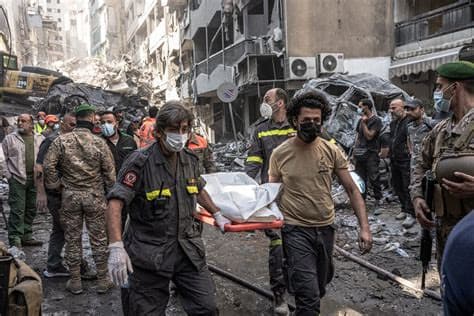
Israel has intensified its military operations in southern Lebanon, conducting airstrikes aimed at preventing Hezbollah from re-establishing its military capabilities near the border. This escalation comes as Hezbollah publicly condemned a new framework for a ceasefire, asserting that the terms are insufficient to address the ongoing conflict and secure its interests.
The airstrikes, reported in various locations across southern Lebanon, are part of Israel's broader strategy to counter perceived threats from Hezbollah. Israeli officials have indicated that these operations are necessary to disrupt Hezbollah's ability to regroup and strengthen its military presence in the region. The situation remains precarious, with both sides exchanging threats and military actions, underscoring the volatility of the current landscape.
Hezbollah's leadership has been vocal in its criticism of the proposed ceasefire deal, which is being brokered through external intermediaries. The group has labeled the agreement as inadequate, arguing that it fails to meet the necessary conditions for a lasting peace. This rejection highlights the deep-seated mistrust between the two parties and the challenges that lie ahead in negotiations aimed at de-escalating the conflict.
As the airstrikes continue, the international community watches closely, concerned about the potential for further escalation. Analysts suggest that the ongoing military actions could complicate diplomatic efforts, as both Israel and Hezbollah appear entrenched in their positions. The situation is further complicated by the broader geopolitical dynamics in the region, including the roles of other nations and non-state actors.
In summary, the recent developments in southern Lebanon reflect a complex interplay of military strategy and political maneuvering. With both Israel and Hezbollah unwilling to compromise, the prospect for a peaceful resolution remains uncertain. The international community's response will be crucial in shaping the future of this conflict, as calls for restraint and dialogue grow louder amidst the ongoing violence.
Published by Banx Network. This article is part of the Banx decentralized media programme, powered by the BXE token on the XRP Ledger.



