
Key Highlights
- Airstrikes:Israel targets Hezbollah installations in Beirut.
- Casualties:At least 10 reported dead and many injured.
- Humanitarian Impact:Civilian infrastructure damaged, complicating aid efforts.
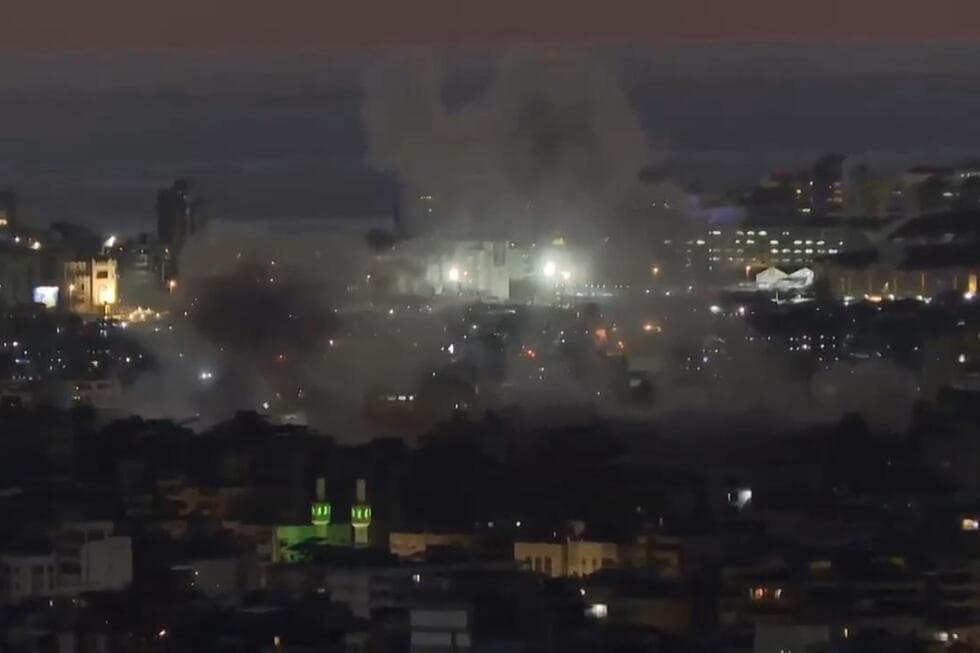
BEIRUT, May 6, 2026: In a shocking development, Israel launched airstrikes in Beirut for the first time since a fragile ceasefire was brokered earlier this month. These strikes target Hezbollah installations, signaling a possible re-escalation of hostilities following ongoing tensions.
The Israeli military confirmed the strikes on multiple sites, stating they aimed to neutralize threats posed by Hezbollah, which they blame for recent hostilities. "We are committed to protecting our citizens from Hezbollah's aggression," a military spokesperson said, emphasizing the necessity of these actions in light of the perceived threats.
The timing of these strikes has raised eyebrows, coming just days after a ceasefire was announced that was hoped to stabilize the region. Local reports indicate that the airstrikes resulted in several casualties, with at least 10 dead and many more injured. The strikes also damaged civilian infrastructure, complicating the humanitarian situation in a city already struggling with the aftermath of extensive conflict.
Eyewitnesses described scenes of chaos as buildings were hit, and emergency responders rushed to assist those trapped in the rubble. Residents expressed anger and frustration at the renewed violence, fearing it could unravel the tentative peace established after weeks of intense fighting. "We thought the worst was over, but now we are back to square one," lamented a local shopkeeper.
Hezbollah's leadership condemned the strikes, promising retaliation and accusing Israel of violating the ceasefire agreement. "This act of aggression will not go unanswered," a spokesperson declared during a televised address, indicating that the group is prepared to respond militarily to the Israeli actions.
International observers are alarmed at the rapid deterioration of conditions in Lebanon, where recent conflict has already caused significant displacement and loss of life. Humanitarian organizations are facing increasing challenges in delivering aid as the renewed hostilities threaten to exacerbate the dire conditions on the ground. The United Nations has called for immediate restraint from both sides to prevent further escalation.
As the situation unfolds, diplomatic efforts aimed at achieving lasting peace will undoubtedly be tested, particularly under the specter of renewed military action. The international community is watching closely, with fears that the conflict could spill over into a broader regional crisis if not addressed promptly.
Published by Banx Network. This article is part of the Banx decentralized media programme, powered by the BXE token on the XRP Ledger.



