
Key Highlights
- Israel announces plans to seize parts of southern Lebanon as a defensive buffer.
- The move has sparked criticism from Lebanese authorities and the international community.
- Hezbollah vows to protect Lebanese sovereignty in response to Israel's actions.
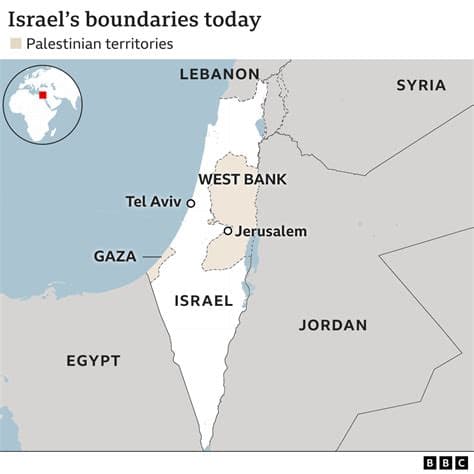
In a controversial announcement, Israel has stated its intention to seize certain areas in southern Lebanon, framing the decision as a requirement for creating a 'defensive buffer.' Israeli officials assert that this action is aimed at enhancing national security and protecting its borders amidst ongoing tensions with militant groups operating in the region.
The proposed buffer zone has drawn sharp criticism from Lebanese authorities and the international community. Critics argue that such a unilateral move could exacerbate existing tensions between Israel and Lebanon, potentially leading to armed conflict and further destabilization in an already volatile area. The Lebanese government has condemned the announcement, calling it a violation of sovereignty and a threat to regional peace.
Israeli Prime Minister Benjamin Netanyahu defended the decision, emphasizing the need to safeguard Israeli citizens against threats posed by groups like Hezbollah, which Israel views as a significant security risk. The government claims that establishing a defensive buffer will enable better monitoring and response to potential aggressions, particularly in light of recent escalations in cross-border hostilities.
While the Israeli government presents this as a necessary security measure, opponents warn that the move undermines diplomatic efforts aimed at resolving longstanding issues between the two nations. Lebanon and Israel remain technically at war, and any aggressive actions are likely to provoke strong reactions from Lebanese forces and the broader international community. The potential for miscalculation in this tense environment is high, raising fears of a renewed conflict.
In response, Iran-backed Hezbollah has vowed to protect Lebanese sovereignty and could escalate its military presence in the region if it perceives threats from Israel. The situation remains tense, with both sides engaging in a war of words that may lead to heightened military readiness. Hezbollah's leadership has stated that any Israeli incursion will be met with a robust response, further complicating the security landscape.
The announcement about the buffer zone signifies a critical juncture in Israel’s security policy and raises questions about the future of Israel-Lebanon relations. As diplomatic channels are tested, the priority for all involved parties will be to avoid miscalculations that could spark a wider conflict. The international community is closely watching the developments, urging both sides to engage in dialogue rather than escalation.
As the situation develops, regional observers will be closely monitoring the implications for security and diplomacy in the Middle East, recognizing the fragile nature of peace in a historically contentious area. The potential for increased military engagement could have far-reaching consequences, not only for Israel and Lebanon but for the broader region as well.
Published by Banx Network. This article is part of the Banx decentralized media programme, powered by the BXE token on the XRP Ledger.



