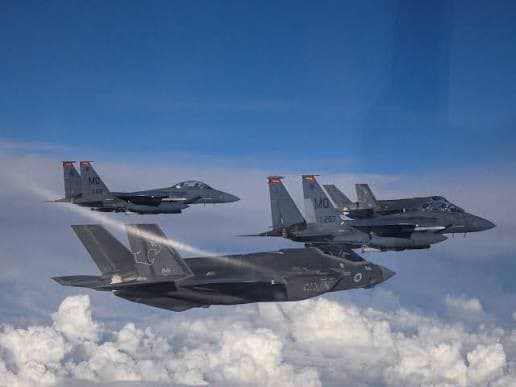
Military tensions in the Middle East intensified after reports emerged of Israeli air operations targeting locations in western and central Iran, followed by alerts regarding incoming missile activity. The developments mark another significant chapter in the long-running confrontation between the regional rivals and have raised concerns about the potential for broader escalation. Reports indicated that the Israeli Air Force conducted strikes against selected targets inside Iran. While operational details remain limited, the claims immediately drew international attention due to the strategic implications of direct military action between the two nations. Defense analysts noted that such operations often involve extensive planning, intelligence gathering, and coordination aimed at minimizing risks while achieving specific objectives. Following the reports of airstrikes, Israeli military authorities announced that they had detected ballistic missile launches originating from Iran. Warning systems were activated in several areas, particularly in northern Israel, prompting residents to seek shelter. Air defense systems were reportedly deployed to intercept incoming threats, highlighting the continuing importance of missile defense capabilities in the region. The exchange underscores the fragile security environment that has characterized Middle Eastern geopolitics in recent years. Tensions have frequently centered around Iran's regional influence, military programs, and support for allied groups across the region. Israel has repeatedly stated that it views certain Iranian activities as strategic threats requiring active deterrence measures. Global markets and policymakers closely monitor such developments because military confrontations between major regional powers can affect energy prices, trade routes, and international diplomatic efforts. Concerns about shipping security, economic stability, and regional alliances often intensify whenever hostilities increase. International leaders have urged restraint and called for diplomatic engagement to prevent further escalation. Several governments emphasized the need for de-escalation, warning that a broader conflict could have significant humanitarian and economic consequences extending far beyond the immediate region. Security experts note that modern conflicts increasingly involve a combination of conventional military operations, missile systems, cyber capabilities, and intelligence activities. As a result, individual incidents can rapidly evolve into larger confrontations if not carefully managed through diplomatic channels and crisis communication mechanisms. For civilians in affected areas, the uncertainty generated by military alerts and retaliatory threats creates ongoing concerns regarding safety and stability. Emergency services and civil defense organizations remain on heightened readiness while governments assess the evolving situation. Observers now await official statements and independent verification regarding the scope of the reported operations and missile activity. The coming days may prove critical in determining whether tensions subside or move toward a more dangerous phase of confrontation.
Published by Banx Network. This article is part of the Banx decentralized media programme, powered by the BXE token on the XRP Ledger.