
Key Highlights
- Date of Incident:On April 30, 2026, Israel halted operations for a Russian grain ship.
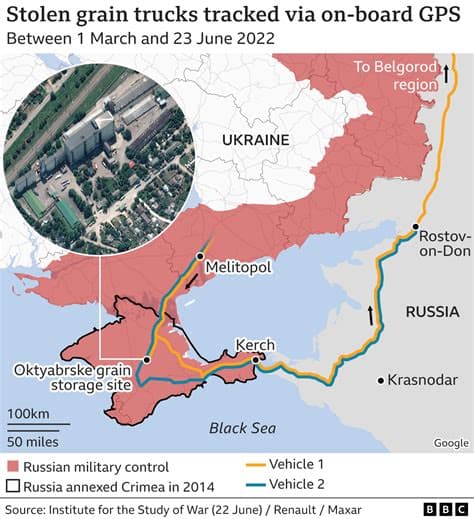
- Cargo Details:The Panormitis was carrying over 6,200 tons of wheat and 19,000 tons of barley reportedly looted from Ukraine.
- Diplomatic Response:Ukrainian officials praised Israel's decision, indicating a shift in policy regarding stolen goods.
On April 30, 2026, Israeli import company Zenziper announced the suspension of unloading operations for the Panormitis, a Panama-flagged bulk carrier reportedly transporting over 6,200 tons of wheat and 19,000 tons of barley looted from Ukrainian territories under Russian control. This action was taken amid a growing diplomatic dispute between Ukraine and Israel, as Ukrainian Foreign Minister Andrii Sybiha praised the move as indicative of successful Ukrainian legal and diplomatic engagements.
Sybiha emphasized the importance of this development, stating, "This is also a clear signal to all vessels, captains, operators, insurers, and governments: do not buy stolen Ukrainian grain. Do not become part of this crime." The Panormitis had recently entered Haifa Bay but was ordered to leave after Zenziper, citing "the circumstances," decided to delay cargo operations.
According to maritime traffic data, the vessel has moved away from Haifa Bay, heading west at a speed of approximately 9 knots. The Israeli Grain Importers Association also indicated that the Russian supplier must seek an alternative unloading destination for the shipment. This incident is particularly significant as it follows a previous event earlier this month when a different Russian vessel, the Abinsk, successfully unloaded stolen wheat in Haifa, raising concerns within Ukraine over Israel's stance on shipments of grain taken from its occupied territories.
In light of these events, Ukrainian authorities formally requested Israel to seize the Panormitis and warned that any future involvement with such shipments would face legal consequences. This request underscores the heightened tensions and the importance of international law in the ongoing conflict.
In response to the growing tension, Israeli officials previously criticized Ukrainian officials for what they perceived as a vocal push to influence grain trade routes in the region. However, this latest move against the Panormitis reflects a significant change in Israel's approach to handling allegations of stolen Ukrainian goods. The decision may indicate a shift towards a more assertive stance in international trade practices, particularly concerning goods linked to conflict zones.
Israel has maintained a delicate balance in its relations with Ukraine and Russia since the onset of the conflict, often navigating complex diplomatic waters. Nonetheless, the current situation highlights a potential shift in policy that could influence future engagements not just with Ukraine, but with their international partners as well.
As diplomatic conversations continue, the implications of this seizure could resonate beyond grain trade, affecting political relations and international policies concerning the Kremlin’s activities in occupied territories. The situation remains fluid, with further developments expected as both nations pursue their interests in this multi-faceted conflict.
Published by Banx Network. This article is part of the Banx decentralized media programme, powered by the BXE token on the XRP Ledger.



