
Key Highlights
- Deployment:Israel has sent its Iron Dome missile defense system and military personnel to the UAE.
- Iranian Aggression:Iran has launched over 2,200 drones and 550 missiles targeting the UAE.
- Strategic Partnership:The move reflects deepening military cooperation between Israel and the UAE.
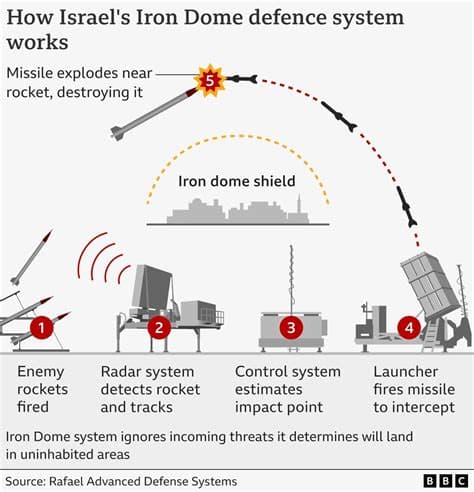
Israel has deployed its Iron Dome missile defense system along with military personnel to the United Arab Emirates (UAE), responding to a significant uptick in Iranian aggression during the ongoing conflict that erupted in early 2026. This unprecedented move is aimed at enhancing air defense capabilities in the Gulf region, particularly as Iran has launched extensive missile and drone attacks against Emirati targets.
Since the onset of hostilities, Iran has reportedly fired approximately 550 missiles and over 2,200 drones at the UAE, making it the most targeted nation in the region. Although the UAE's defense systems have successfully intercepted many of these projectiles, some have nonetheless succeeded in causing damage to both military and civilian infrastructure within the country. The situation has prompted urgent calls for enhanced defense measures to protect Emirati citizens and assets.
Israeli Prime Minister Benjamin Netanyahu made the decision to send the Iron Dome system after discussions with UAE leadership, reflecting the deepening military cooperation between the two nations. This deployment emphasizes Israel's commitment to supporting its allies in the Gulf amid escalating threats from Tehran. The collaboration is seen as a significant step towards a more unified front against Iranian aggression in the region.
Israeli and Emirati officials have confirmed that the Iron Dome has effectively intercepted many threats, significantly contributing to the UAE's defense infrastructure. The collaborative effort highlights the growing alignment between Israel and Gulf states in countering Iranian influence and ensuring regional stability. This partnership is not only strategic but also indicative of a broader shift in Middle Eastern geopolitics, where former adversaries are now aligning against common threats.
As the situation unfolds, both nations are closely coordinating military and political actions to confront the ongoing threat from Iran, indicating a strategic and long-term partnership in defense initiatives. This development underscores a significant shift in regional security dynamics, with Israel playing a proactive role in the Gulf's defense strategy. The implications of this deployment extend beyond immediate military concerns, potentially reshaping alliances and power balances in the Middle East for years to come.
Published by Banx Network. This article is part of the Banx decentralized media programme, powered by the BXE token on the XRP Ledger.



