
Key Highlights
- Framework Agreement:Israel and Lebanon sign a deal with the U.S. aimed at peace.
- Secretary of State's Remarks: Marco Rubio describes it as a 'first step' toward long-term security.
- Future Goals:The agreement focuses on restoring Lebanese sovereignty and addressing Hezbollah's activities.
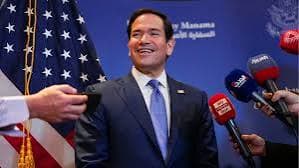
U.S. Secretary of State Marco Rubio announced that Israel and Lebanon have signed a framework agreement with the United States, marking a pivotal moment in Middle Eastern diplomacy. This agreement, described by Rubio as a 'first step' toward peace, aims to facilitate a lasting cessation of hostilities and initiate a broader settlement process between the two nations.
During the announcement, Rubio emphasized the importance of the agreement in addressing ongoing tensions in the region. He noted that the framework is conditional, highlighting the need for both parties to meet specific requirements, particularly concerning Hezbollah's activities and the restoration of Lebanese sovereignty and security control. This conditionality reflects the complexities of the geopolitical landscape in which both nations operate.
Lebanon's ambassador to the U.S. expressed optimism about the agreement, stating that the next goal is to ensure the safe return of displaced individuals to their homes. This statement underscores the humanitarian aspect of the negotiations, as many Lebanese have been affected by the ongoing conflict and instability in the region. Meanwhile, Israel's ambassador characterized the framework as a crucial step toward achieving peace between the two countries, indicating a willingness to engage in further dialogue.
While specific terms of the agreement were not disclosed at the time of the announcement, reports suggest that it will be followed by continued political and security discussions. These discussions are expected to address the underlying issues that have historically fueled tensions between Israel and Lebanon, including territorial disputes and security concerns related to Hezbollah, a militant group based in Lebanon.
The signing of this framework agreement is seen as a significant development in U.S. foreign policy, particularly in the context of its efforts to stabilize the Middle East. The Biden administration has prioritized diplomatic engagement in the region, and this agreement aligns with its broader strategy of fostering dialogue and cooperation among nations.
As the situation evolves, the international community will be closely monitoring the implementation of this agreement and the subsequent discussions that will follow. The success of this framework could pave the way for a more stable and peaceful future for both Israel and Lebanon, as well as contribute to broader regional stability.
Published by Banx Network. This article is part of the Banx decentralized media programme, powered by the BXE token on the XRP Ledger.



