
Key Highlights
- Israel Air Force strikes Iranian nuclear research sites to degrade capabilities.
- The operation aims to minimize collateral damage while targeting key facilities.
- Iranian officials condemn the strikes, vowing retaliation and escalating regional tensions.
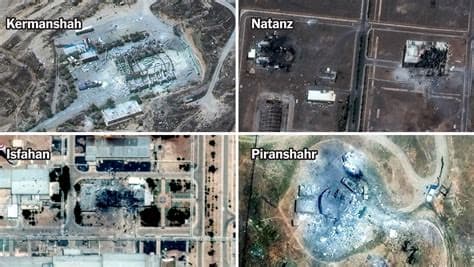
In a significant military operation, the Israel Air Force has targeted critical Iranian nuclear research sites, aiming to disrupt and degrade the country’s nuclear capabilities. This initiative reflects Israel's long-standing concerns over Iran's nuclear ambitions and its potential threat to regional security. The airstrikes are part of a broader strategy to prevent Iran from advancing its nuclear weapons development, which Israel perceives as a direct threat to its national security.
Israeli officials have stated that the airstrikes were strategically planned to minimize collateral damage while effectively damaging key facilities involved in uranium enrichment and nuclear technology development. Reports indicate that these strikes were coordinated to take place during periods of lower activity at the targeted sites to ensure the safety of nearby civilians. This careful planning underscores Israel's intent to limit the humanitarian impact of its military actions while achieving its strategic objectives.
The operation marks a notable escalation in Israeli military engagements related to Iran's nuclear program, showcasing the ongoing tension between the two nations. Israel views a nuclear-capable Iran as a direct threat, prompting preemptive measures to prevent the advancement of nuclear weapons development. The strikes are seen as a clear message to Iran and its allies that Israel is willing to take decisive action to protect its interests in the region.
Reactions to the strikes have been swift, with Iranian officials condemning the attacks and vowing to retaliate, further heightening the volatility of the region. Iranian leaders have characterized the airstrikes as acts of aggression, promising to respond in kind. The international community is closely monitoring the situation, as the potential for further escalation raises concerns about broader military confrontations in the Middle East.
This airstrike serves as a reminder of the complex geopolitical landscape surrounding Iran's nuclear program, with implications extending beyond national borders. The unfolding situation underscores the need for diplomatic solutions and discussions aimed at reducing tensions and preventing military conflicts that could have devastating consequences. As the situation develops, the focus will remain on evaluating the impacts of these strikes on Iran's nuclear capabilities and regional security dynamics.
The international response will be crucial in shaping the future of this conflict. Countries with vested interests in the region, including the United States and European nations, may seek to mediate between Israel and Iran to prevent further military escalation. The effectiveness of these diplomatic efforts will be tested in the coming weeks as both sides navigate the aftermath of the airstrikes and their implications for regional stability.
Published by Banx Network. This article is part of the Banx decentralized media programme, powered by the BXE token on the XRP Ledger.



