
Key Highlights
- Mauritius is committed to reclaiming the Chagos Archipelago.
- The UK faces delays in transferring sovereignty due to political considerations.
- The Chagossian community seeks recognition and restoration of their homeland.
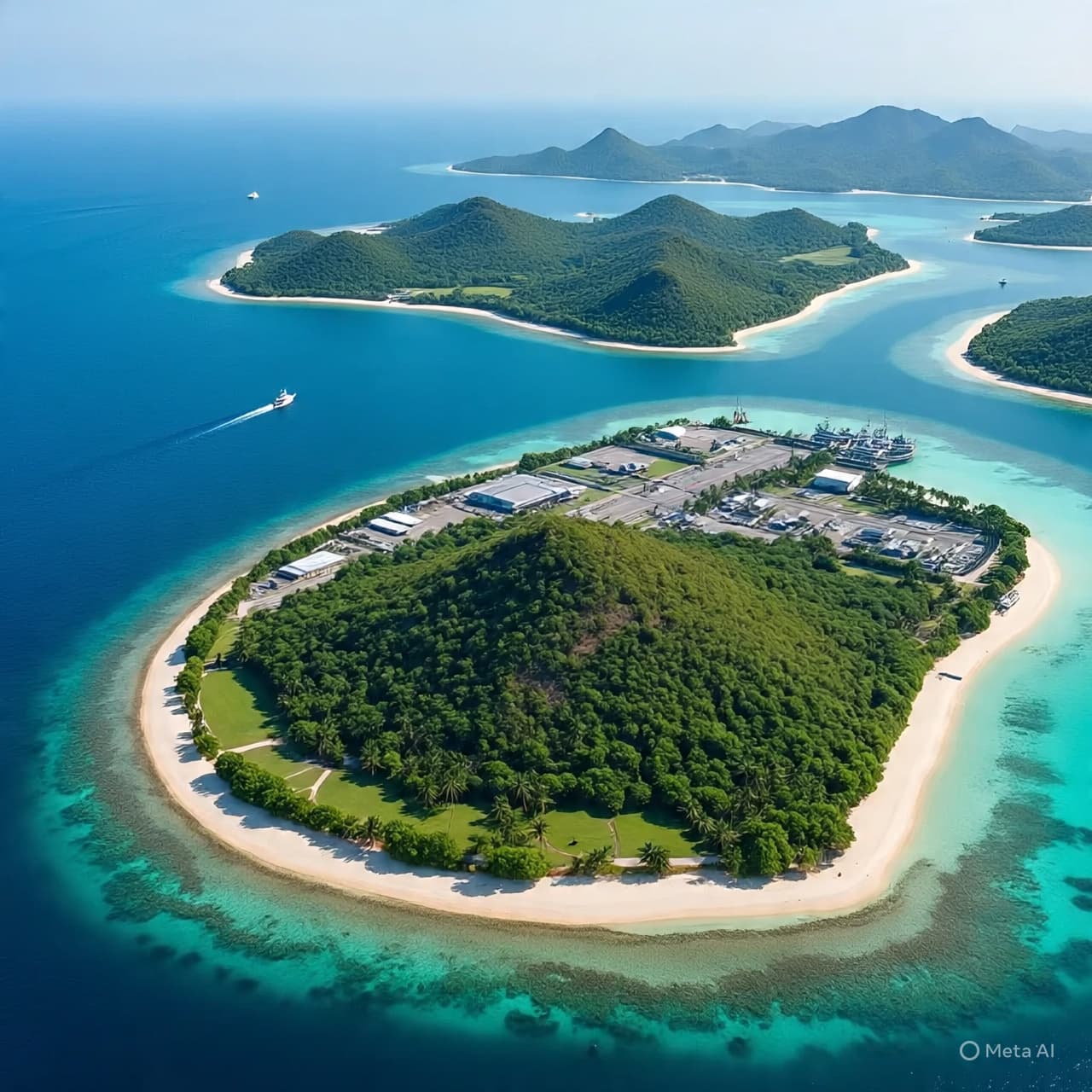
The Chagos Archipelago, located in the Indian Ocean, is a cluster of islands that has become emblematic of unresolved historical grievances. Once home to a thriving community, the islands were forcibly depopulated in the 1960s to make way for a U.S. military base on Diego Garcia. This strategic military installation has since complicated the sovereignty debate, as the United Kingdom continues to assert control over the territory despite international legal challenges.
Recently, Mauritius has intensified its efforts to reclaim the islands, framing its campaign as both a legal right and a moral imperative. The Mauritian government argues that the islands were wrongfully separated from its territory prior to independence in 1968, a claim that has gained traction in international courts. Rulings from various global institutions have increasingly favored Mauritius, adding pressure on the UK to address the issue.
However, the political landscape in the UK has introduced new uncertainties. Under Labour leader Keir Starmer, the transfer of sovereignty has faced delays, which some interpret as a cautious approach to a complex diplomatic situation. The UK’s strategic interests in the region, particularly concerning the military base, have led to a careful balancing act between international obligations and national security.
For the Chagossian community, the stakes are profoundly personal. Generations of families have been displaced, and their quest for recognition and the right to return to their homeland remains a poignant aspect of this ongoing saga. Activists and community leaders emphasize that the issue transcends legal arguments; it is about restoring dignity and addressing historical injustices.
Despite the current impasse, both Mauritius and the UK have indicated a willingness to engage in dialogue. This ongoing negotiation process reflects a broader trend in international relations, where former colonial powers are increasingly held accountable for their historical actions. The situation in the Chagos Archipelago serves as a case study in how nations grapple with the legacies of colonialism in a modern context.
As discussions continue, the Chagos Islands remain a focal point of contention, suspended between the weight of their past and the possibilities of their future. The surrounding ocean, rich with history, symbolizes the unresolved narratives that still seek resolution. The outcome of this geopolitical struggle will not only impact the Chagossian community but will also resonate across the globe, highlighting the importance of justice and sovereignty in the post-colonial world.
Published by Banx Network. This article is part of the Banx decentralized media programme, powered by the BXE token on the XRP Ledger.



