There’s a certain rhythm to how foods come in and out of vogue: yesterday’s staple becomes today’s curiosity, and sometimes yesterday’s curiosity returns as tomorrow’s trend. Beef tallow — the rendered fat of cattle that once sizzled in old‑fashioned kitchens — is experiencing such a comeback. To many, it evokes memories of foods cooked long before “heart‑healthy oils” dominated grocery shelves. To others, it’s a nutritional puzzle: is this ancient fat friend or foe to modern health?
Beef tallow is essentially purified beef fat, traditionally used for frying, roasting, and even soap or candle‑making. Its rise in popularity today is partly due to culinary appeal — a high smoke point and rich flavor — and partly due to the revival of high‑fat diets like keto. But beyond culinary nostalgia, what do dietitians and nutrition experts say about its role in our health?
On the positive side, tallow isn’t devoid of nutrients. It contains small amounts of fat‑soluble vitamins such as A, D, E, and K, along with choline and oleic acid — a monounsaturated fat similar to that in olive oil, which has been linked to heart‑healthy effects. These components can provide long‑lasting energy and a sense of fullness, making fats like tallow appealing in certain dietary patterns.
Yet the heart of the matter lies in tallow’s high saturated fat content — typically around half of its total fat. Dietitians caution that consuming high amounts of saturated fat can raise levels of LDL (“bad”) cholesterol, an established risk factor for cardiovascular disease. National guidelines from heart associations still recommend limiting saturated fat intake to a small percentage of daily calories, suggesting that plant‑based oils rich in unsaturated fats — like olive, canola, or avocado oil — are generally healthier options for regular use.
Experts also emphasize that what matters most isn’t a single ingredient, but the overall context of your diet. In moderate amounts and as part of a balanced eating pattern that includes plenty of vegetables, whole grains, lean proteins, and unsaturated fats, a bit of beef tallow can fit in without derailing health goals. However, for individuals with elevated cholesterol, heart disease, or metabolic concerns, limiting saturated fats — including tallow — remains a prudent approach.
There’s also ongoing debate among researchers about specific fatty acids within tallow, such as stearic acid and conjugated linoleic acid (CLA). Some studies suggest these may have less adverse effects on cholesterol or offer other metabolic benefits, but the evidence isn’t strong enough to override broader dietary recommendations.
In the end, beef tallow isn’t a miracle food or a dietary villain on its own. Rather, it’s a flavorful, calorie‑dense fat with both pros and cons, much like butter or coconut oil. Like many foods that find their way back into our kitchens, its value depends on how often and how much we choose to use it. Moderation, diversity in fats, and attention to personal health goals remain at the core of thoughtful eating.
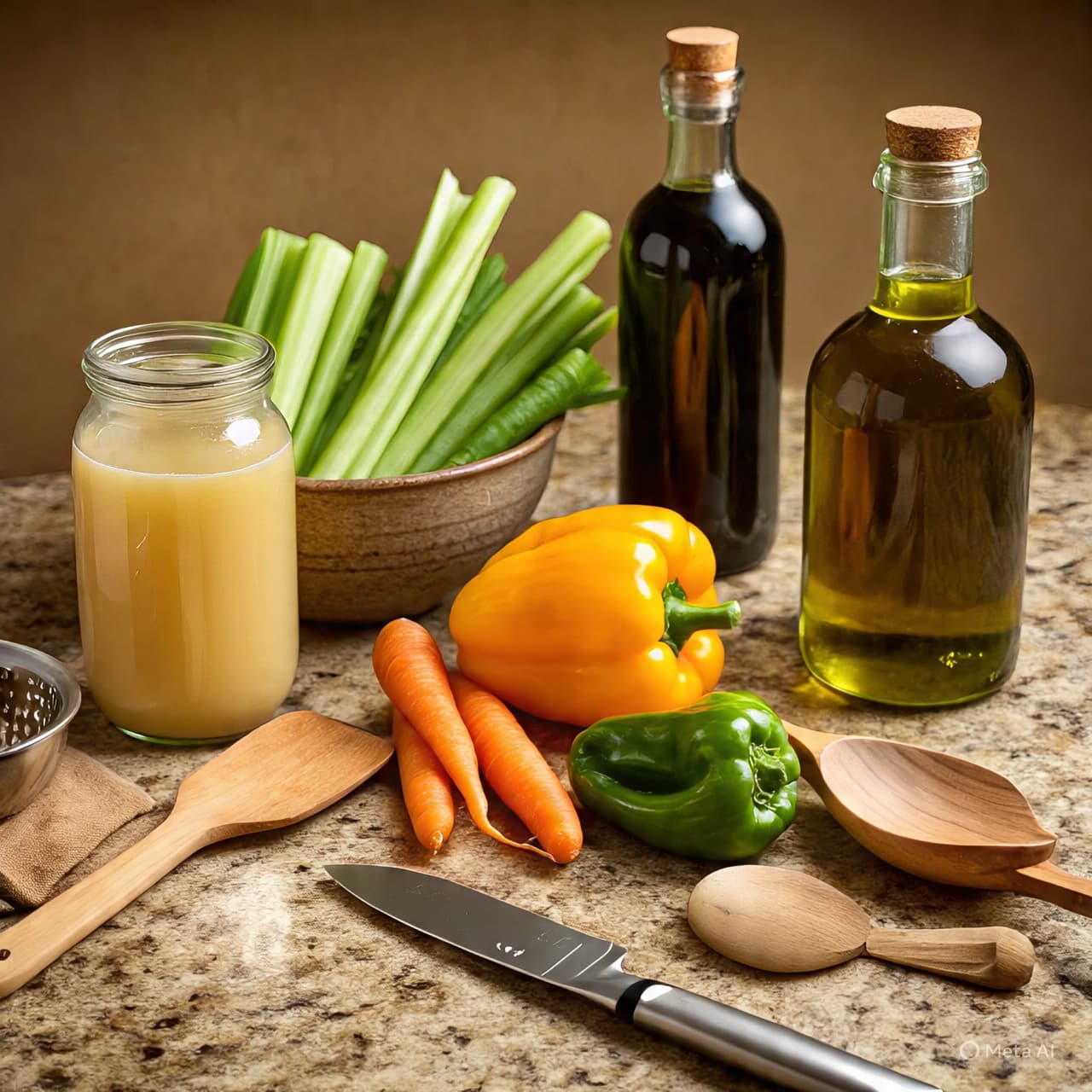
AI Image Disclaimer “Visuals are created with AI tools and are not real photographs.”
🧾 Sources Real Simple (dietitian insights on beef tallow and health) Cleveland Clinic Health Essentials (saturated fat and cardiovascular guidance) WebMD (nutrient breakdown and general advice) Harvard T.H. Chan School of Public Health (comparison with seed oils) Time (nuanced nutrition discussion)
Published by Banx Network. This article is part of the Banx decentralized media programme, powered by the BXE token on the XRP Ledger.