

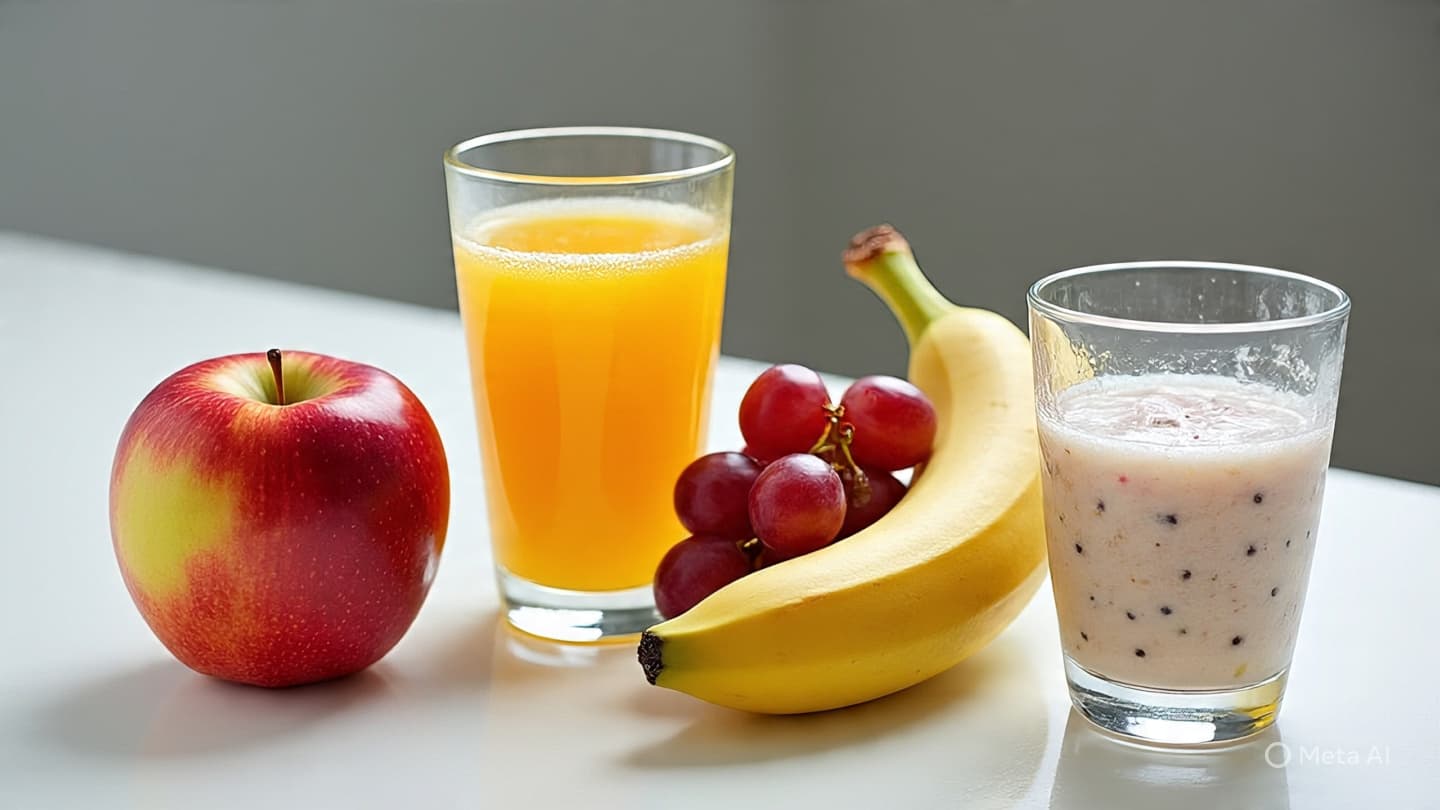
Key Highlights
- Whole fruits are rich in fiber, aiding digestion and blood sugar regulation.
- Juicing removes fiber, leading to quicker sugar absorption and potential health risks.
- Smoothies retain fiber but can still impact sugar intake based on portion size.
[Understanding the Shift in Fruit Consumption]
Whole fruits have long been celebrated for their nutritional benefits, serving as a cornerstone of healthy diets. However, as modern lifestyles increasingly prioritize convenience, many consumers are turning to juices and smoothies as alternatives. This shift raises important questions about how processing fruit affects its nutritional value and overall health impact.
At the heart of this discussion is fiber, a crucial component found abundantly in whole fruits. Fiber plays a vital role in supporting digestion, regulating blood sugar levels, and promoting a sense of fullness. When consumed in its natural form, the fiber in whole fruits slows the absorption of sugars, providing sustained energy and reducing the risk of blood sugar spikes.
In contrast, juicing removes much of the fiber content, concentrating the natural sugars present in the fruit. While fresh juice can still deliver essential vitamins like vitamin C and potassium, the lack of fiber can lead to rapid increases in blood sugar levels, particularly when consumed in large quantities or on an empty stomach. This can pose health risks, especially for individuals managing conditions like diabetes.
Smoothies, on the other hand, occupy a middle ground between whole fruits and juices. When prepared by blending whole fruits, smoothies typically retain much of their fiber content. However, the mechanical breakdown of the fruit can still affect how quickly sugars are absorbed into the bloodstream. Adding ingredients such as yogurt, nuts, or leafy greens can enhance the nutritional profile of smoothies, making them a more balanced option.
Portion size is another critical factor influencing health outcomes. Drinking a smoothie or juice may make it easier to consume multiple servings of fruit at once, which can inadvertently increase overall sugar intake beyond what one might consume when eating whole fruits. This is particularly concerning for those who may not be mindful of their portion sizes.
Satiety, or the feeling of fullness, is also an important consideration. Whole fruits require chewing, which contributes to a greater sense of fullness compared to liquids. Even nutrient-rich smoothies and juices may not provide the same level of satisfaction, potentially leading to higher overall calorie consumption throughout the day.
Public health guidelines generally emphasize the consumption of whole fruits as the preferred option for optimal health. However, they also acknowledge that smoothies and juices can have a place in a varied diet when consumed mindfully. The key remains moderation and awareness of added ingredients, such as sugars or syrups, that can detract from the health benefits of these alternatives.
As dietary trends continue to evolve, the focus shifts from choosing one form of fruit over another to understanding how each fits into broader nutritional habits. A thoughtful approach allows individuals to enjoy the benefits of fruit in multiple forms while maintaining a balanced diet. Ultimately, whole fruits remain a reliable foundation for daily nutrition, while smoothies and juices can serve as complementary options when prepared and consumed with care.
Published by Banx Network. This article is part of the Banx decentralized media programme, powered by the BXE token on the XRP Ledger.




