In the quiet hours after a Labor Day weekend that claimed dozens of lives, Donald Trump spoke of sending in more than just words: “We’re going in,” he said of Chicago, though he offered no timetable. His voice, steady in the Oval Office, carried the weight of a man convinced of his mission — not to negotiate, but to act.
The city, rendered in his rhetoric as a “hellhole,” is now the focal point of his renewed appeal for federal intervention. He argues that violent crime has spiraled out of control, that local leaders have failed to protect their own residents, and that only a strong federal hand can restore order. To that end, he has authorized 300 Illinois National Guard troops, citing the need to safeguard federal officers and assets.
But in Chicago, the reaction has been fierce. Governor J.B. Pritzker rejected what he described as an ultimatum. Mayor Brandon Johnson went so far as to sign an executive order — the “Protecting Chicago Initiative” — asserting that the National Guard must not become a militarized force on city streets. Illinois Attorney General Kwame Raoul has condemned the plan as a dangerous precedent, warning of constitutional overreach.
Critics argue that Trump’s framing of a crime “emergency” is exaggerated — some claim he’s manufacturing a crisis to justify a show of power. Hakeem Jeffries, the House minority leader, accused Trump of “playing games with the lives of Americans” and “creating a distraction.” Survivors of gun violence in Chicago have also pushed back. At a gathering in Federal Plaza, they called deployment a “dangerous” proposal, not a remedy, urging instead for investments in community programs, mental health, and violence prevention.
On the other side, Trump’s allies point to past interventions — like in Washington, D.C. — as a model. For the president, it’s not just about restoring order: it’s a question of federal responsibility. He insists he has an “obligation” to act when cities, as he sees it, fall into chaos.
Yet even within his own administration, there is uncertainty. Vice President JD Vance later stated that “there are no immediate plans” to deploy the National Guard to Chicago. That ambiguity deepens the tension — is this a looming occupation, or a political gambit?
In the face of mounting opposition, some in Trump’s circle are apparently ready to pivot. Reports suggest the president is now also eyeing other cities, like New Orleans, for similar measures. Meanwhile, federal officials have secured the Pentagon’s permission to use Naval Station Great Lakes near Chicago as a staging ground for operations.
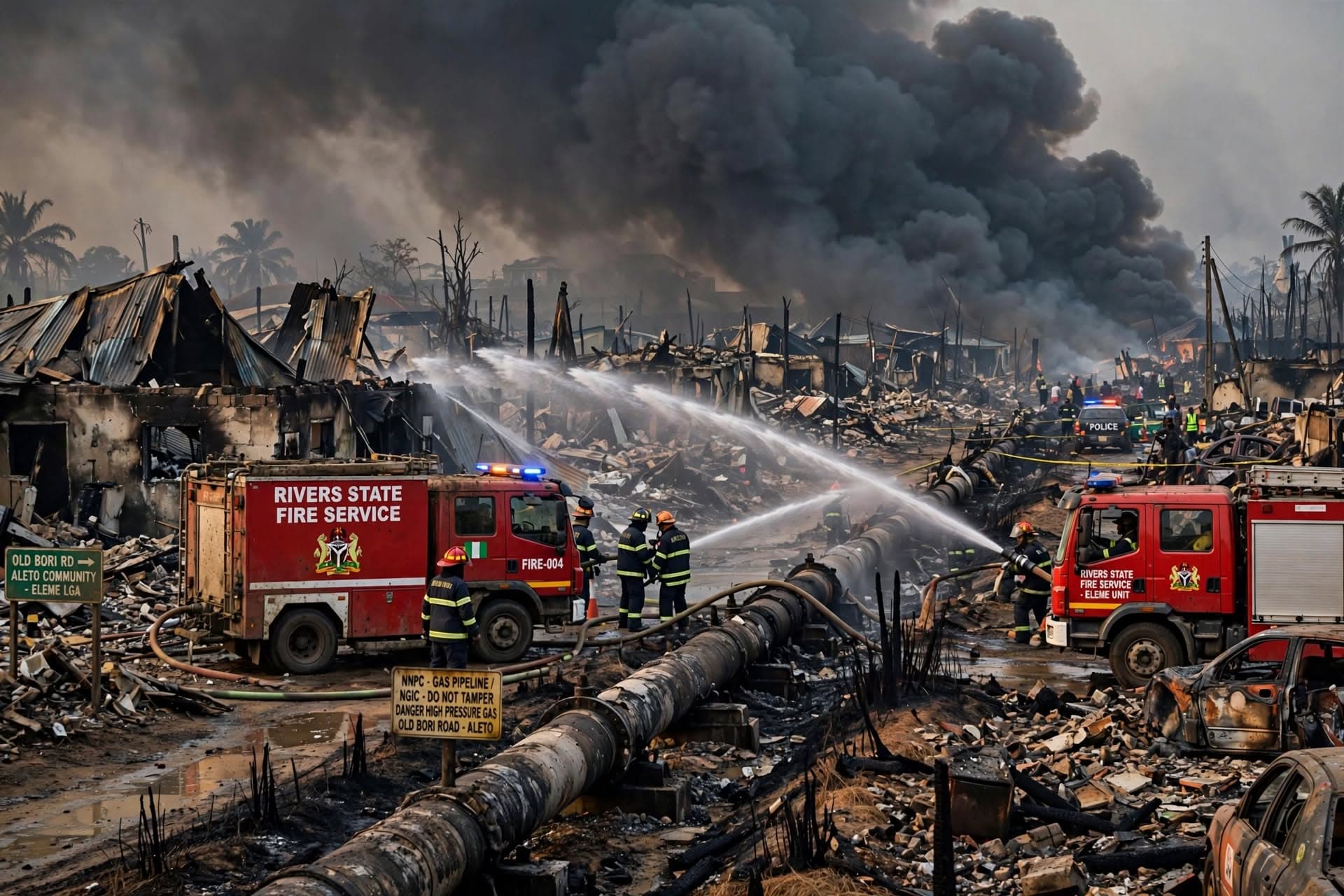
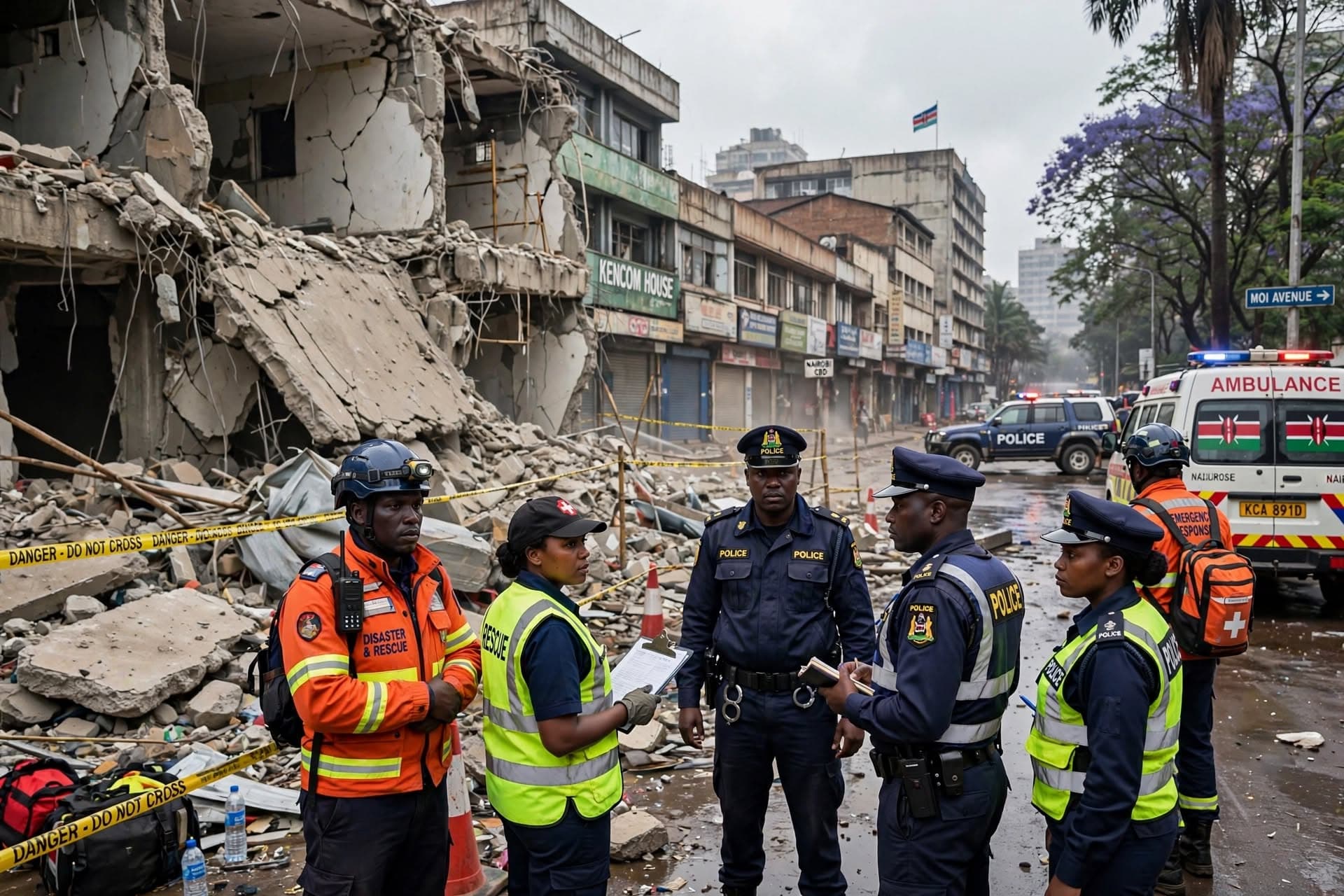
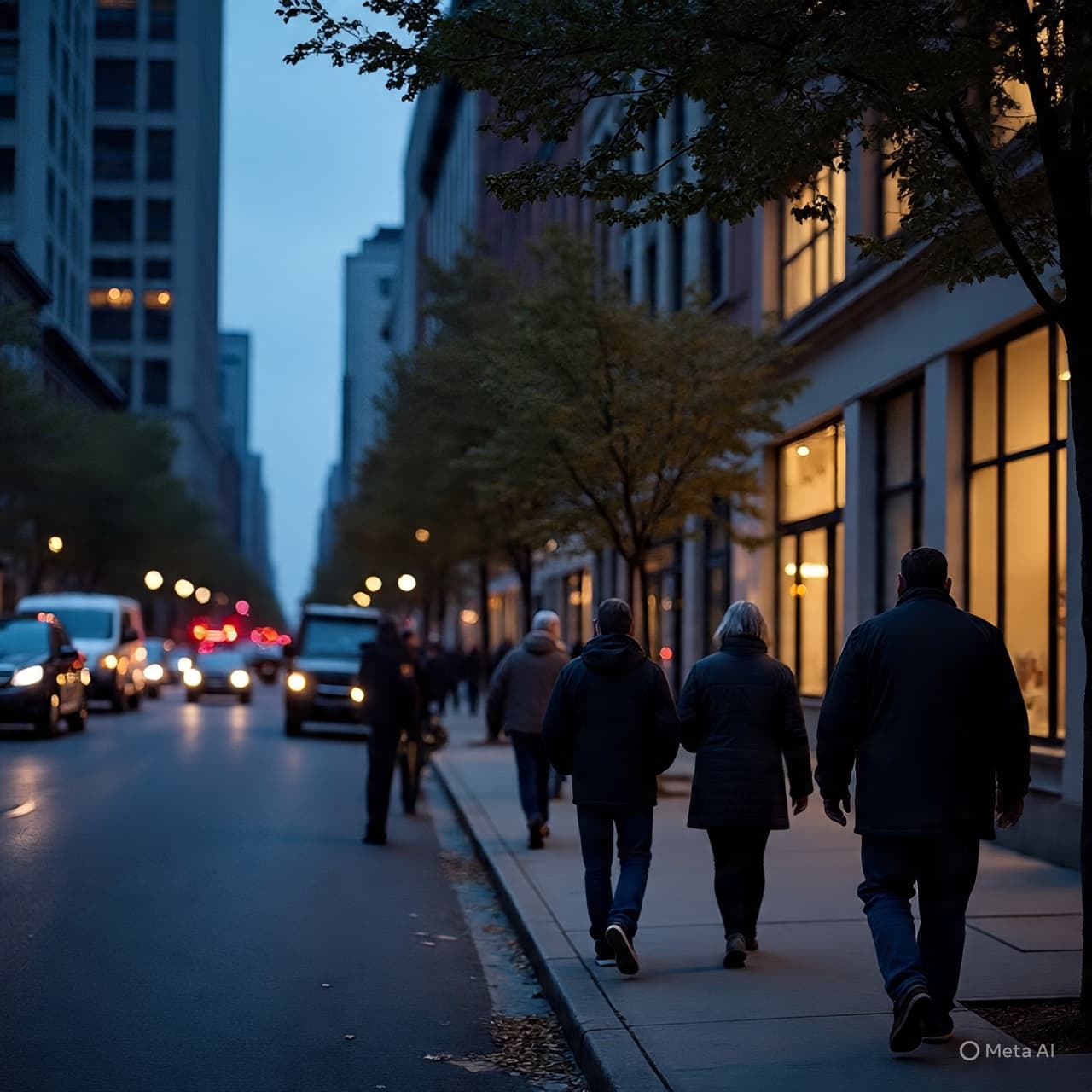
AI Image Disclaimer “Visuals are created with AI tools and are not real photographs.”
Sources: The Guardian Associated Press / ABC News The Washington Post Newsweek CBS Chicago
Published by Banx Network. This article is part of the Banx decentralized media programme, powered by the BXE token on the XRP Ledger.