In the soft glow of expectation that surrounds every new flagship, there’s often a subtle tension between what is hoped for and what eventually materializes. The Samsung Galaxy S26 Ultra, poised near the horizon of its official debut, carries that familiar warmth of anticipation, like the scent of rain before it falls. But in the quiet churn of leaks and whispers that swirl ahead of the unveiling, it now seems that one prized upgrade—built-in magnetic support for Qi2 wireless charging—may not be part of the story as many had hoped. Enthusiasts and casual observers alike have been waiting with bated breath, much like children perched by a window awaiting the first snowflake, only to find the sky gently serene instead.
As the narrative deepens, the body of details emerging around the S26 Ultra paints a picture of a device both familiar and refined, yet not quite stepping into the grand leap some expected. According to recent leaks and reports, Samsung may once again omit embedded magnets for Qi2 wireless charging, instead relying on magnetic cases to provide that capability—a design choice that echoes last year’s approach rather than forging new territory. In practical terms, this means that while the phone could support wireless charging standards associated with Qi2, users wouldn’t benefit from the fully integrated, magnetically aligned experience found in some competitors’ devices without accessories. The trade-off seems to reflect Samsung’s balancing act between evolving design priorities and maintaining beloved legacy features.
For many, the magnet rings associated with MagSafe-style charging have become more than a convenience; they are symbols of seamless interaction between device and accessory. Their absence from the S26 Ultra’s core hardware is the sort of subtle absence that makes enthusiasts pause, like noticing a missing bird in a familiar summer chorus. Early skepticism has already surfaced among some tech observers, who see this omission as a quiet reminder that even the most eagerly awaited devices sometimes rear in familiarity rather than absolute reinvention. Yet the broader tapestry of Samsung’s plans still weaves in other threads of promise—privacy displays, refined cameras, and power upgrades—that temper disappointment with anticipation for what is still to come.
In closing, the leaks around the Galaxy S26 Ultra suggest that Samsung’s next headline flagship may avoid embedding Qi2 magnetic support, relying instead on external accessories to achieve similar wireless charging functionality. Other enhancements are still expected as the device approaches its official unveiling, leaving consumers and critics alike to weigh what matters most in the evolving landscape of premium smartphones.
AI Image Disclaimer
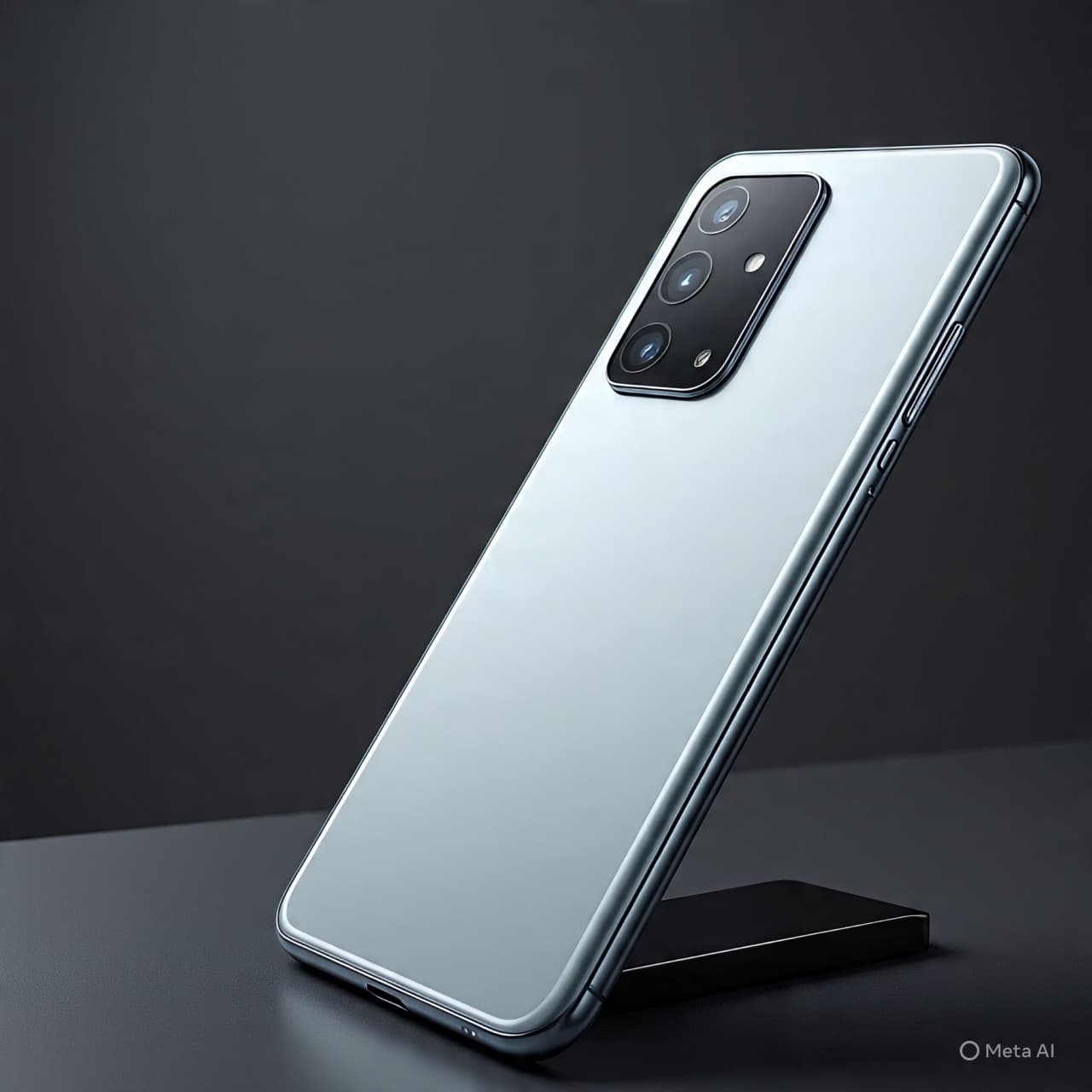
“Illustrations were produced with AI and serve as conceptual depictions.”
Sources
1. Reuters
2. Digital trends
3. Forbes
4. Android central
5. Gulf news
Published by Banx Network. This article is part of the Banx decentralized media programme, powered by the BXE token on the XRP Ledger.