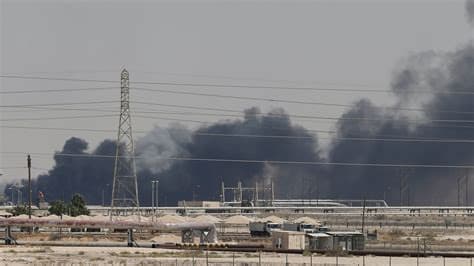
Iranian forces have intensified their attacks across the Gulf, targeting significant industrial sites that play a crucial role in the region’s economy and energy infrastructure. These assaults have not only led to substantial damage but have also sparked fears of further escalation in an already volatile geopolitical landscape.
Key facilities affected by the strikes include oil refineries and petrochemical plants, critical components of the Gulf states' economic stability. Analysts warn that such attacks could disrupt supply chains and lead to significant fluctuations in global oil prices, further complicating international energy markets.
The Iranian government has justified these actions as retaliatory measures against perceived threats from Gulf nations and their allies. However, the international community is expressing growing alarm over the potential consequences of these aggressions, emphasizing the need for diplomatic solutions to de-escalate tensions.
The ongoing situation has prompted calls for increased security measures in affected countries, as well as discussions among regional and international actors about how to address the rising threats posed by Iranian military activities. Efforts to enhance collaboration on defense and intelligence-sharing are gaining traction as nations seek to protect their critical infrastructure.
As these attacks continue, the broader implications for regional security and global economic stability remain at the forefront of international discussions. The situation demands vigilant monitoring, as stakeholders consider how best to navigate the complexities of a landscape marked by ongoing violence and unrest.
Published by Banx Network. This article is part of the Banx decentralized media programme, powered by the BXE token on the XRP Ledger.