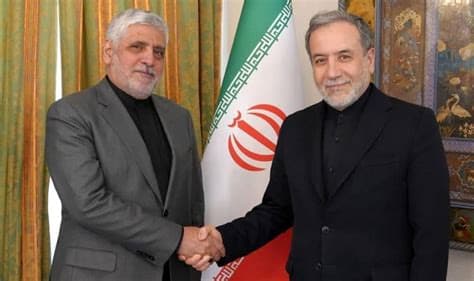
In a notable diplomatic episode, the Iranian ambassador to Lebanon has firmly refused to depart the country despite being declared persona non grata by Lebanese authorities. This decision marks a significant escalation in tensions, reflecting the complex and often contentious relationship between Iran and Lebanon’s government.
The ambassador's status was revoked following accusations of meddling in domestic politics and supporting factions that threaten Lebanon's stability. His continued presence is viewed by some as a challenge to Lebanese sovereignty, while others see it as an assertion of Iran's influence in the region.
Lebanese officials have expressed concerns that Iran's involvement could exacerbate existing tensions within the country, particularly amidst the ongoing economic and political crises. Calls for the ambassador's removal have amplified debates about foreign intervention and the future of Lebanese governance.
The Iranian government has stood by its ambassador, framing the decision as an affront to diplomacy and a violation of international norms. This incident underscores the increasingly complex dynamics of regional relationships, as countries navigate their interests and influence amidst shifting political landscapes.
As the situation develops, many are watching closely to see how it will impact both Iran’s relationship with Lebanon and the broader geopolitical landscape in the Middle East. The potential for further diplomatic fallout looms, making this a critical point in regional politics.
Published by Banx Network. This article is part of the Banx decentralized media programme, powered by the BXE token on the XRP Ledger.