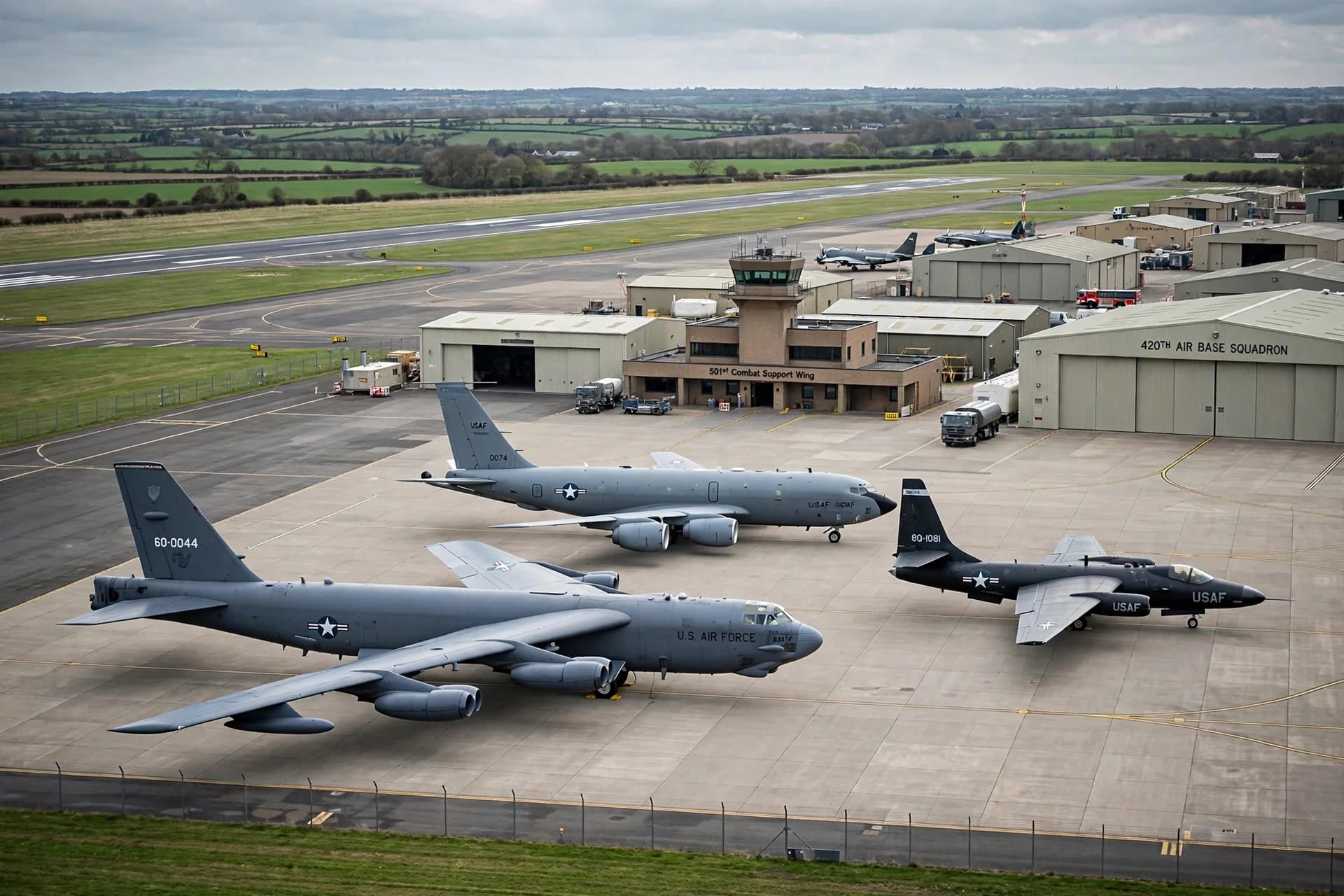
Iranian officials have reiterated that the country would respond forcefully to any military action directed against it, highlighting ongoing tensions involving the United States, Israel, and broader regional security dynamics. The statements come at a time when diplomatic discussions continue alongside heightened geopolitical scrutiny. National security messaging often plays a central role in international relations. Governments use public statements to communicate intentions, reassure domestic audiences, and influence the calculations of potential adversaries. In regions characterized by longstanding rivalries, rhetoric can carry significant strategic implications. Iran's position reflects its broader emphasis on deterrence. Officials frequently argue that demonstrating readiness to respond to threats reduces the likelihood of external aggression. Similar deterrence strategies are employed by numerous countries seeking to protect national interests. The Middle East remains one of the world's most strategically important regions due to its energy resources, trade routes, and geopolitical significance. Consequently, developments involving major regional powers receive close attention from governments, investors, and international organizations. Diplomatic negotiations continue to provide an alternative pathway to escalation. Even when disagreements remain substantial, dialogue offers opportunities to address concerns, clarify intentions, and explore confidence-building measures. Many analysts view sustained communication as essential for crisis management. Energy markets are particularly sensitive to regional developments. Oil prices can react to perceived risks involving production facilities, transportation infrastructure, or shipping routes. Businesses and policymakers therefore monitor security developments closely. Military capabilities throughout the region have evolved considerably over recent decades. Advances in missile technology, air defense systems, drones, cyber operations, and intelligence gathering have increased both deterrence capacity and strategic complexity. International actors continue encouraging restraint from all parties. The economic consequences of large-scale conflict could extend far beyond the Middle East, affecting trade flows, commodity prices, and global growth prospects. Public statements regarding retaliation should also be understood within broader political contexts. Leaders often balance diplomatic engagement with demonstrations of resolve, seeking to maintain credibility while avoiding unintended escalation. For investors, businesses, and governments, the key question remains whether diplomatic efforts can successfully reduce tensions. While rhetoric may fluctuate, practical outcomes depend on negotiations, strategic calculations, and the willingness of stakeholders to pursue stability. The situation underscores the interconnected nature of modern geopolitics. Security developments in one region can influence markets and policy decisions around the world, reinforcing the importance of diplomatic engagement and effective conflict prevention mechanisms. As discussions continue, observers will remain focused on whether dialogue can translate into lasting improvements in regional stability.
Published by Banx Network. This article is part of the Banx decentralized media programme, powered by the BXE token on the XRP Ledger.