Key Highlights
- Iranian Threat:Lawmaker Ahmad Bakhshayesh Ardestani warns of missile strikes.
- Targeted Countries:Italy and Germany identified as potential targets.
- Escalating Tensions:Threats come amid rising regional conflicts.
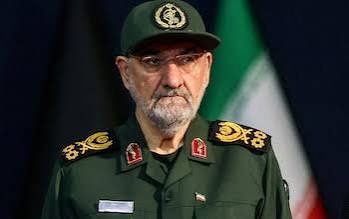
Iranian lawmaker Ahmad Bakhshayesh Ardestani has issued a stark warning that Iran could launch missile strikes against European military bases if those countries permit the United States to utilize their facilities for attacks on Iran. This statement, made during a recent press conference, highlights the growing tensions between Iran and Western nations, particularly in light of ongoing conflicts in the Middle East.
In his remarks, Ardestani specifically named Italy and Germany as countries that could be at risk if they support U.S. military operations against Iran. The Iranian government has been vocal about its opposition to U.S. presence in the region, and this latest threat underscores the seriousness with which Tehran views any collaboration between European nations and the U.S. military.
Adding to the gravity of the situation, the Tehran municipality-owned newspaper Hamshahri published a detailed map that outlines 15 potential targets across Europe. This list includes military installations in key countries such as Britain, Germany, and Italy. The publication of such a map serves as a stark reminder of the potential consequences of geopolitical alliances and military strategies in the region.
These threats from Iranian officials and media come at a time of heightened tensions, particularly following recent military engagements involving U.S. forces in the Middle East. While the Iranian government has not confirmed that an attack is imminent, the rhetoric suggests a willingness to escalate military responses if provoked.
The implications of these threats are significant, not only for the countries mentioned but also for broader international relations. European nations may find themselves caught in a precarious position, balancing their alliances with the U.S. against the potential for conflict with Iran. As the situation develops, it will be crucial for European leaders to navigate these tensions carefully to avoid further escalation.
In summary, the warning from Ardestani and the accompanying media coverage reflect a critical moment in Iran's foreign policy and its stance towards Western military presence in the region. The potential for conflict remains a pressing concern as diplomatic efforts continue to seek a resolution to the ongoing tensions in the Middle East.
Published by Banx Network. This article is part of the Banx decentralized media programme, powered by the BXE token on the XRP Ledger.