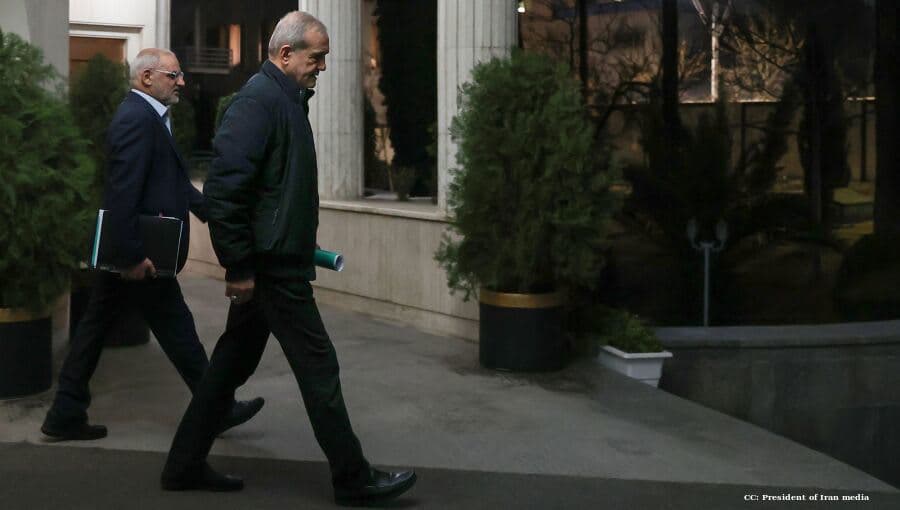
Iran has explicitly warned that any assault on Supreme Leader Ayatollah Ali Khamenei would be perceived as a declaration of war. This statement reflects rising tensions both within the country and internationally, as Iran navigates a complex landscape of threats and challenges to its leadership.
The warning comes amidst heightened scrutiny of Iran's military capabilities and ongoing geopolitical conflicts. Iranian officials emphasized that Khamenei's role is pivotal to the nation’s stability, and any harm to him would trigger severe retaliatory measures. This rhetoric is intended to reinforce national unity and deter external threats, particularly from adversaries in the region.
This declaration has significant implications for Iran's foreign relations, especially with Western nations and regional rivals. As conversations around military actions and sanctions continue, the stakes are notably high. Observers are concerned about the potential for miscalculation, which could lead to larger conflicts in an already volatile environment.
In response to various pressures, Iran remains committed to safeguarding its sovereignty and leadership structure. The country's stance illustrates its determination to assert strength in the face of perceived hostility, making it clear that any attack on its leader will have dire consequences for the aggressor. As regional dynamics evolve, this critical warning echoes Iran’s strategic priorities and its commitment to protecting its leadership.
Published by Banx Network. This article is part of the Banx decentralized media programme, powered by the BXE token on the XRP Ledger.