

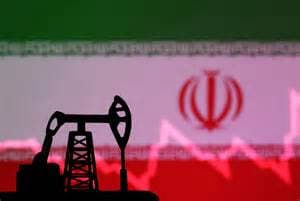
The war in Iran is profoundly reshaping the global energy market, leading to increased costs for consumers and nations alike as they grapple with soaring oil and gas prices. As a result of the conflict, countries around the world are being forced to evaluate their energy consumption and adopt measures to mitigate the financial impact on their economies.
Many nations, particularly those heavily reliant on imported energy, are experiencing inflationary pressures as energy prices spike. This situation has compelled governments to allocate larger portions of their budgets to energy expenditures, thereby straining national resources and prompting discussions around energy security.
In an effort to manage these rising costs, several countries are exploring strategies to reduce energy consumption. Initiatives such as promoting energy efficiency, investing in renewable sources, and encouraging public transportation have gained traction. These moves reflect a broader recognition of the need for sustainable energy practices, not just as a reaction to the current crisis but as a long-term strategy for energy independence.
Moreover, industries such as manufacturing and transportation are also feeling the pinch, leading to potential adjustments in operational strategies to counteract increasing costs. The war's impact on energy supply chains has raised alarms about the security and reliability of energy sources, emphasizing the importance of diversifying energy portfolios.
As the situation evolves, the international community is becoming more aware of the interconnectedness of conflicts and global energy dynamics. The ongoing challenges underscore the urgency for countries to transition towards more resilient and sustainable energy systems, ensuring that they are better prepared for future crises while also addressing climate concerns. The war in Iran thus serves as a crucial turning point in the way energy is utilized and governed worldwide.
Published by Banx Network. This article is part of the Banx decentralized media programme, powered by the BXE token on the XRP Ledger.


.jpg&w=3840&q=75 "India Says First Phase of U.S. Trade Deal Is Nearly Done, Seeks Edge Over Rivals")