
Key Highlights
- Renewed Conflict:The US-Iran ceasefire has collapsed, escalating tensions in the Middle East.
- Economic Impact:Asia faces rising energy costs and currency pressures as a result of the conflict.
- Market Dynamics:Uncertainty in the region is affecting financial conditions and investor confidence.
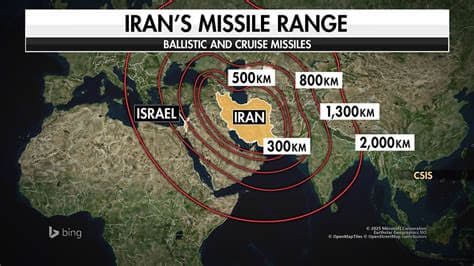
The recent collapse of the US-Iran ceasefire has plunged Asia back into a precarious economic landscape, as the region grapples with the renewed risk of conflict in the Middle East. The Strait of Hormuz, a critical chokepoint for global oil supplies, is once again at the center of geopolitical tensions, raising alarms for markets and governments across Asia. The implications of this renewed conflict are profound, as they threaten to disrupt the fragile economic recovery that many Asian nations had hoped to achieve in the latter half of 2026.
As energy prices surge in response to the escalating conflict, Asian economies are feeling the strain. Central banks across the region are under increasing pressure, with rising oil prices contributing to inflationary pressures. Countries like South Korea, heavily reliant on oil imports from the Middle East, are particularly vulnerable. The situation is compounded by a strengthening US dollar, which further exacerbates the challenges faced by Asian currencies. Japan, already grappling with its own inflation and growth issues, finds itself in a precarious position as the economic landscape shifts.
India's currency has also taken a hit, falling to record lows as markets react to the country's economic deficits. The renewed conflict has led to increased currency stress in Southeast Asia, prompting governments to consider interventions to stabilize their economies. The interconnectedness of these economies means that the repercussions of the conflict are felt far beyond the immediate region, affecting trade, investment, and overall economic stability.
The article highlights the broader market dynamics at play, noting that gold, traditionally seen as a safe haven for investors during times of uncertainty, has been sliding in value. This shift reflects a complex interplay of factors, including geopolitical uncertainty and changing investor sentiment. The potential for further escalation in the conflict raises questions about the future of supply chains and the political landscape in Asia, particularly with upcoming elections in several countries adding another layer of complexity.
Ultimately, the uncertainty surrounding the conflict is perhaps the most damaging element for Asia's economic outlook. The lack of clarity regarding the trajectory of the conflict leaves investors and governments in a state of apprehension, hindering their ability to make informed decisions. As the region had anticipated a calmer second half of 2026, the resurgence of conflict serves as a stark reminder of the volatility that continues to shape Asia's economic landscape.
Published by Banx Network. This article is part of the Banx decentralized media programme, powered by the BXE token on the XRP Ledger.



