Key Highlights
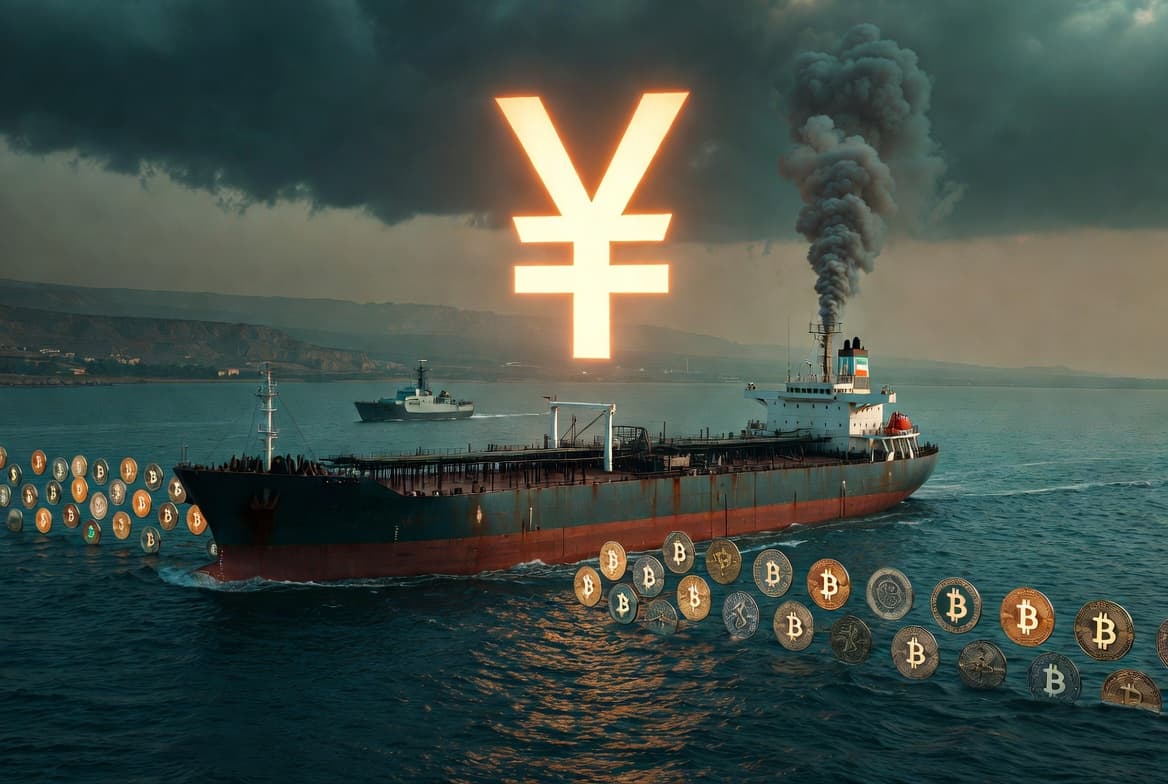
- Iran has established a toll system in the Strait of Hormuz, demanding payments in yuan and cryptocurrencies.
- The toll fees can reach up to $2 million for oil tankers, impacting global energy prices.
- The move is seen as a strategy to bypass U.S. sanctions and strengthen ties with China.
[The Toll System in Detail] According to a detailed Bloomberg report published on April 1, 2026, Iran has implemented a formal toll system in the Strait of Hormuz, a critical maritime route for global oil transport. The process involves ship owners contacting intermediaries associated with the Islamic Revolutionary Guard Corps (IRGC). They must provide comprehensive details about their vessels, including ownership, flag, cargo, crew, and intended route. Following a screening process—where vessels linked to the U.S., Israel, or other perceived adversaries may be rejected or forced to change flags—fees are negotiated. Once payment is confirmed, the ship receives a secret clearance code valid for a single transit, with the Iranian navy providing an escort for protection during the passage.
[Financial Implications] The base fees for oil tankers are set at approximately $1 per barrel of oil carried. For a Very Large Crude Carrier (VLCC) transporting around 2 million barrels, the toll can escalate to as much as $2 million per crossing. This financial burden could significantly impact shipping costs and, consequently, global energy prices. Reports indicate that at least two ships have already paid in yuan, with an additional 15 to 18 vessels utilizing this payment system to ensure safe transit through the strait.
[Strategic Shift to Yuan and Cryptocurrencies] The requirement for payments in yuan and cryptocurrencies is a strategic maneuver by Iran to circumvent U.S. sanctions and promote de-dollarization. By strengthening economic ties with China, Iran aims to solidify its position as a key oil supplier. The use of stablecoins facilitates rapid, borderless transactions that are challenging for traditional Western financial systems to monitor or block. This shift not only enhances Iran's economic resilience but also aligns with China's growing influence in global trade.
[Global Trade Impact] The Strait of Hormuz is a vital artery for approximately 20% of the world's seaborne oil and liquefied natural gas. Any increase in transit costs or disruptions could have immediate repercussions on global energy markets. Countries deemed 'friendly' to Iran, such as China and Russia, are likely to receive preferential treatment, while those considered adversarial may face higher costs or risks, including potential drone attacks or vessel seizures.
[International Reactions] The U.S. government has characterized this development as a new form of 'maritime blackmail' and an escalation in economic warfare. Meanwhile, China has remained largely silent, benefiting from the increased international use of the yuan. Maritime companies, insurers, and analysts, including those from Lloyd's List, are closely monitoring the evolving situation, with some shipowners opting to pay the toll to avoid costly delays and ensure safe passage.
[A New Era for Maritime Trade] This toll system marks a significant shift in the global financial landscape, as it represents the first instance of a sovereign state officially incorporating cryptocurrencies into large-scale strategic payments. Under immense pressure from sanctions and regional conflicts, Iran has transformed a vulnerability into a source of revenue and geopolitical leverage. The Strait of Hormuz is no longer merely an oil chokepoint; it has evolved into a geopolitical toll road, reshaping the dynamics of international maritime trade.
Published by Banx Network. This article is part of the Banx decentralized media programme, powered by the BXE token on the XRP Ledger.