
Key Highlights
- Funeral Ceremony:Iran's late Supreme Leader Khamenei's public funeral begins at 10 PM local time.
- National Mourning:The event marks the start of nationwide mourning following Khamenei's death.
- Leadership Transition:The succession process will be closely monitored both domestically and internationally.
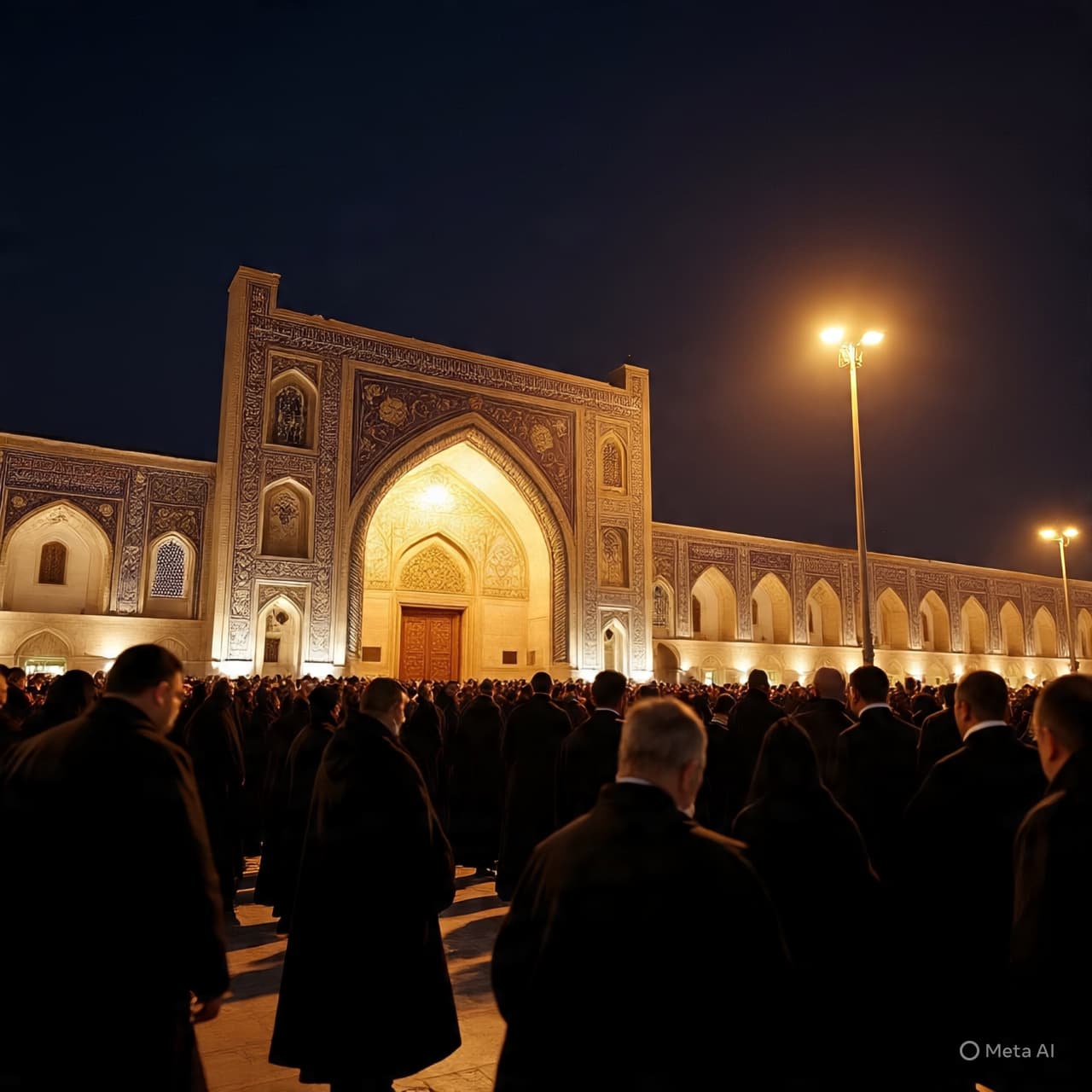
Iranian state media has reported that a public funeral ceremony for the country’s late Supreme Leader, Ayatollah Ali Khamenei, will begin at 10 p.m. local time in Tehran. This announcement marks the formal start of nationwide mourning events following the confirmation of his death, which has sent shockwaves through the nation and beyond.
Authorities have indicated that the ceremony will take place in the capital, where large public gatherings are expected as citizens come together to pay their respects. Khamenei, who served as Iran’s Supreme Leader for over three decades, held ultimate authority over the country’s political, military, and religious institutions. His leadership significantly shaped Iran’s domestic governance and its posture in regional and international affairs. The news of his death has prompted an official period of mourning, with ceremonies organized in major cities across the country.
Funeral observances for senior Iranian leaders traditionally carry both religious and political significance. Public prayers, processions, and commemorative events are typically attended by senior clerics, military officials, and government representatives. Large crowds are common, particularly in Tehran, where national ceremonies are often centered. The 10 p.m. start time suggests that authorities are preparing for extended public attendance, allowing people to gather in the evening hours. Security arrangements are expected to be heightened around key sites in the capital to manage crowds and maintain order.
Beyond the ceremony itself, attention is likely to focus on the institutional process that follows. Iran’s constitutional framework outlines procedures for leadership succession, and relevant bodies are expected to convene in the coming days. This transition will be closely watched both domestically and internationally, given Iran’s central role in regional geopolitics. The implications of Khamenei's death and the subsequent leadership change could have far-reaching effects on Iran's foreign relations and internal stability.
Foreign governments and markets are also monitoring developments, as leadership changes in Tehran can carry broader implications for diplomacy, security dynamics, and energy flows. For now, however, the immediate focus remains on the farewell ceremony and the public expression of mourning. As the evening gathering begins, state television is expected to broadcast coverage from the capital, reflecting what authorities describe as a moment of national reflection and remembrance.
Published by Banx Network. This article is part of the Banx decentralized media programme, powered by the BXE token on the XRP Ledger.



