In the fragile landscape of Middle Eastern diplomacy, hope often hangs by a thread. As the current ceasefire between the United States and Iran nears its expiration, tensions are rising once again. Iranian officials have warned of a new offensive if diplomatic efforts fail, while the US has made it clear that it will not extend the current agreement indefinitely. This standoff leaves the region holding its breath, awaiting a resolution that seems increasingly elusive.
The ceasefire, which has held for several weeks, was intended to provide a window for negotiations on broader security issues, including nuclear capabilities and regional influence. However, talks have stalled, with both sides accusing the other of bad faith. Iran’s threat of renewed hostilities is a reminder of the high stakes involved, not just for the two nations but for global energy markets and international stability.
For the United States, the decision not to extend the deal reflects a shift in strategy. Administrators argue that indefinite pauses only allow adversaries to regroup and rearm. Instead, they seek a comprehensive agreement that addresses core concerns, rather than a series of temporary truces. This hardline stance is aimed at leveraging pressure to achieve a more durable solution, though it risks escalating conflict in the short term.
Iran, meanwhile, views the refusal to extend as a sign of American intransigence. Leaders in Tehran argue that they have shown flexibility and deserve reciprocal concessions. The threat of a new offensive is both a bargaining chip and a genuine warning, signaling that patience is running thin. Military preparations are reportedly underway, raising fears of a return to the brinkmanship that characterized previous crises.
The international community watches with concern. Allies in Europe and the Gulf are urging both sides to return to the negotiating table, emphasizing the catastrophic consequences of another war. Diplomatic channels remain open, but the atmosphere is tense. Mediators from neutral countries are working behind the scenes to find a face-saving compromise, though success is far from guaranteed.
Economically, the uncertainty is already taking a toll. Oil prices have fluctuated in response to the rhetoric, and shipping companies are adjusting routes to avoid potential hotspots. The Strait of Hormuz, a critical chokepoint for global energy supplies, remains a focal point of anxiety. Any disruption there would have ripple effects across the world economy.
For ordinary citizens in both countries, the prospect of renewed conflict is daunting. Years of sanctions and isolation have taken a heavy toll on Iran’s population, while Americans weary of foreign entanglements question the cost of continued engagement. The human dimension of this geopolitical struggle is often overlooked in high-level debates, yet it remains the most profound consequence.
As the deadline approaches, the world waits to see if diplomacy can prevail over discord. The next few days will be critical, determining whether the path forward leads to peace or peril. In the end, the choice lies with leaders who must weigh the immediate benefits of strength against the long-term value of stability.
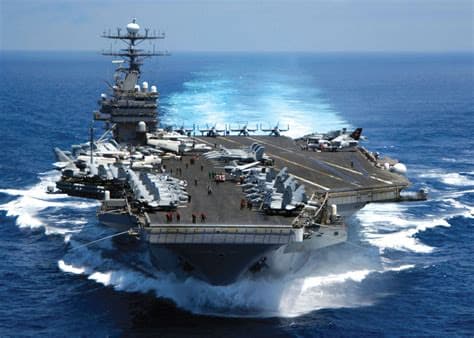
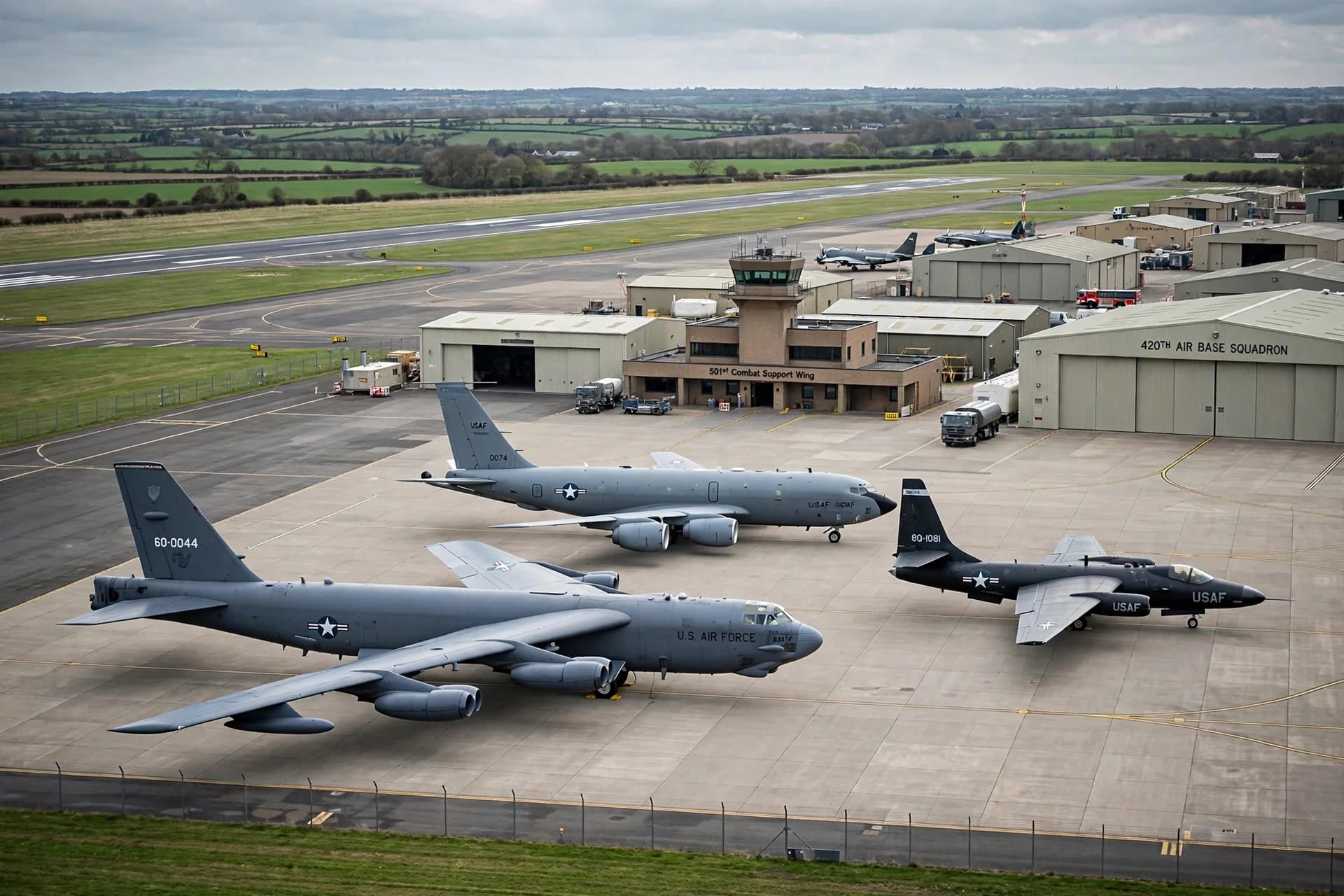
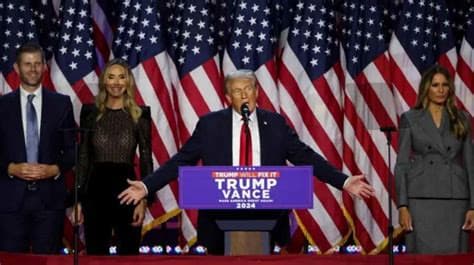
AI Image Disclaimer: Images accompanying this report are AI-generated artistic interpretations of diplomatic settings and regional maps, intended to visualize the context of negotiations without depicting real political figures or military actions.
Sources: Reuters, Politico, AP News, Al Jazeera
Published by Banx Network. This article is part of the Banx decentralized media programme, powered by the BXE token on the XRP Ledger.