
Key Highlights
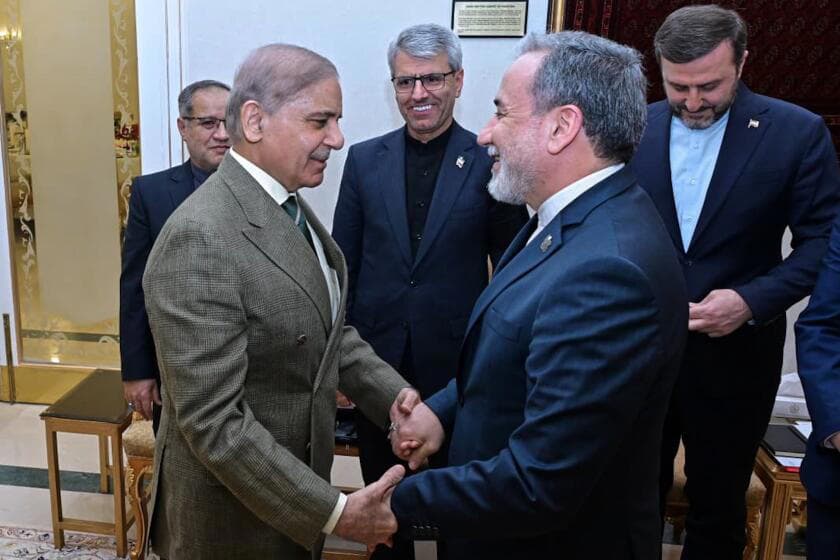
- Diplomatic Stalemate:Iran's Foreign Minister Abbas Araghchi departs Pakistan, halting negotiations.
- Envoy Cancellation:President Trump cancels envoy trips to Islamabad, citing ineffective travel.
- Rising Tensions:Economic strains and military threats complicate the ceasefire discussions.
The latest negotiations concerning a ceasefire between the United States and Iran have reached a significant impasse. Following the departure of Tehran's Foreign Minister Abbas Araghchi from Pakistan on Saturday, President Donald Trump announced the cancellation of his envoys' planned trip to Islamabad. This development has raised concerns about the future of diplomatic efforts aimed at resolving ongoing tensions between the two nations.
These discussions were anticipated to build upon earlier face-to-face meetings that took place earlier this month, which included U.S. officials such as Vice President JD Vance and Iranian leaders, notably parliamentary speaker Mohammad Bagher Ghalibaf. However, trust issues have emerged, primarily due to the U.S. blockade of Iranian ports, which has complicated the negotiation landscape.
Trump's announcement came shortly after Araghchi's departure, with the President taking to social media to express his views. He stated, "If they [Iran] want to talk, all they have to do is call!!!" This remark underscores his belief that lengthy travel is unnecessary when productive dialogue can occur via phone, reflecting a shift in approach to negotiations.
Iran has voiced skepticism regarding the U.S. commitment to genuine negotiations, particularly in light of previous regional tensions. Iranian officials have indicated that any future discussions would likely remain indirect, with Pakistani officials acting as intermediaries. This indirect approach may stem from the lack of trust and the complexities surrounding the ongoing conflict.
Despite the Trump administration's recent extension of a ceasefire, economic strains resulting from the conflict continue to escalate. Concerns are mounting about the blockade's impact on global oil and gas supplies, especially as military threats persist from both sides. Iran has warned that it will respond decisively to any U.S. military actions, further heightening the stakes in this already volatile situation.
As Araghchi departed for Oman after his talks in Pakistan, he hinted at the possibility of returning for further discussions. The political landscape remains tense, with analysts noting that the U.S. may not have set high expectations for this latest round of talks. Expert opinions suggest that Iran holds significant leverage due to the strategic importance of the Strait of Hormuz, a critical chokepoint for global energy supplies.
Iran's cautious optimism regarding potential indirect talks hangs in the balance amid rising hostilities and ongoing questions about trust and the integrity of negotiations moving forward. The outcome of these discussions could have far-reaching implications for regional stability and international relations.
Published by Banx Network. This article is part of the Banx decentralized media programme, powered by the BXE token on the XRP Ledger.



