
Key Highlights
- Date of Attack:March 18, 2026, Iranian forces launched a military strike on Tel Aviv.
- Type of Munitions:The strike involved the use of cluster munitions, raising international concerns.
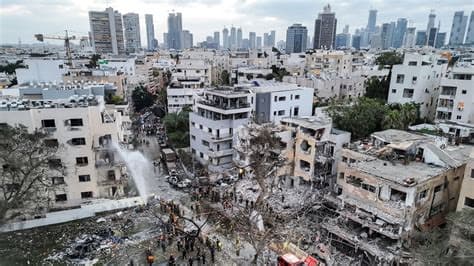
- Casualties:Reports indicate multiple casualties and significant damage to infrastructure.
On March 18, 2026, Iranian forces executed a significant military strike on the Israeli capital of Tel Aviv, deploying cluster munitions in what was described as a retaliatory action for the assassination of a prominent Iranian security chief. This attack targeted key military installations and urban areas, marking a pivotal moment in the ongoing conflict between Iran and Israel.
The Iranian government confirmed the attack, asserting it was a direct and justified response to the "unprovoked aggression" inflicted upon its leadership. Eyewitness accounts and preliminary reports indicate that the strike resulted in multiple casualties and substantial damage to infrastructure, raising alarm among international observers and prompting discussions about the potential for further escalation.
Israeli officials condemned the attack, vowing a strong response to protect its citizens and maintain regional stability. In light of the strike, security forces across Israel heightened alert levels, preparing for possible follow-up attacks. The Israeli Prime Minister stated that the nation would not tolerate such aggression and would take necessary measures to ensure the safety of its people.
The international community has reacted with concern over this escalation, with calls for restraint from both sides. Diplomatic channels are reportedly in motion as world leaders seek to mediate and prevent further violence. The United Nations has called for an emergency meeting to address the situation, emphasizing the need for dialogue to de-escalate tensions in the region.
This incident underscores the volatile nature of Middle Eastern geopolitics, where actions taken by one nation can rapidly escalate into broader conflicts. Analysts warn that the use of cluster munitions, which are banned in many parts of the world due to their indiscriminate nature, may further complicate diplomatic efforts and provoke widespread condemnation from human rights organizations.
As the situation continues to unfold, the focus remains on potential retaliatory measures from Israel and the implications for regional security. The international community is closely monitoring developments, with fears that this conflict could spiral into a larger confrontation involving multiple nations in the region.
Published by Banx Network. This article is part of the Banx decentralized media programme, powered by the BXE token on the XRP Ledger.



