
Key Highlights
- Iran conducted drone and missile strikes on Kuwait and Bahrain, claiming retaliation for U.S. airstrikes.
- Bahrain reported damage to a residential building near its international airport due to the attacks.
- Ongoing diplomatic efforts aim to finalize an interim agreement to reopen the Strait of Hormuz amid rising tensions.
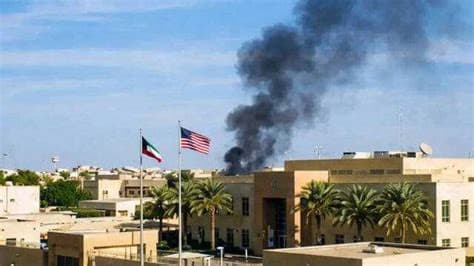
Iran executed a series of drone and missile attacks on Bahrain and Kuwait on Sunday, marking a significant escalation in regional hostilities. The Iranian Revolutionary Guard claimed responsibility for the strikes, which they characterized as retaliation against U.S. airstrikes in the region. Both nations reported successful interceptions of some incoming missiles, but Bahrain confirmed that at least one attack resulted in damage to a residential building located near the international airport.
These military actions come at a critical juncture as diplomats from various nations are attempting to finalize an interim arrangement aimed at de-escalating the ongoing conflict and reopening the strategically vital Strait of Hormuz. Iran has maintained that control over the strait is non-negotiable, warning that any separate agreements could complicate negotiations and heighten tensions further. The interim framework proposed allows for a limited negotiation period of 60 days, during which key issues such as shipping routes, the removal of U.S. sanctions, and Iran's enriched uranium stockpile are to be addressed.
The diplomatic efforts are intricately linked to the ongoing military activities in the region. Both the U.S. and Iranian sides have indicated that continued military operations could jeopardize the fragile negotiations. The recent attacks have raised alarms among analysts and officials, who fear that the escalating violence could derail the potential for a broader ceasefire agreement. This situation is further complicated by ongoing conflicts in Lebanon, which could also destabilize the region and hinder diplomatic progress.
As the situation develops, the international community is closely monitoring the actions of both Iran and the U.S. The stakes are high, as the outcome of these negotiations could have far-reaching implications for regional stability and global oil markets, given the Strait of Hormuz's critical role in international shipping.
The Iranian government has been vocal about its stance, emphasizing that any attempts to negotiate without its direct involvement would be met with resistance. This has created a precarious balance, as both sides navigate the complexities of military posturing and diplomatic dialogue. The coming weeks will be crucial in determining whether a peaceful resolution can be achieved or if the cycle of violence will continue to escalate.
Published by Banx Network. This article is part of the Banx decentralized media programme, powered by the BXE token on the XRP Ledger.



