
Key Highlights
- France has extended emergency heat measures to protect vulnerable populations.
- Local governments are increasing access to cooling centers and health messaging.
- Transportation and energy providers are monitoring infrastructure stress due to high temperatures.
France is currently facing a severe summer crisis as extreme heat continues to affect daily life and public services. In response, authorities have expanded emergency heat protocols across several regions to safeguard vulnerable populations, particularly the elderly and those with chronic health conditions. This proactive approach aims to mitigate health risks associated with prolonged exposure to high temperatures.
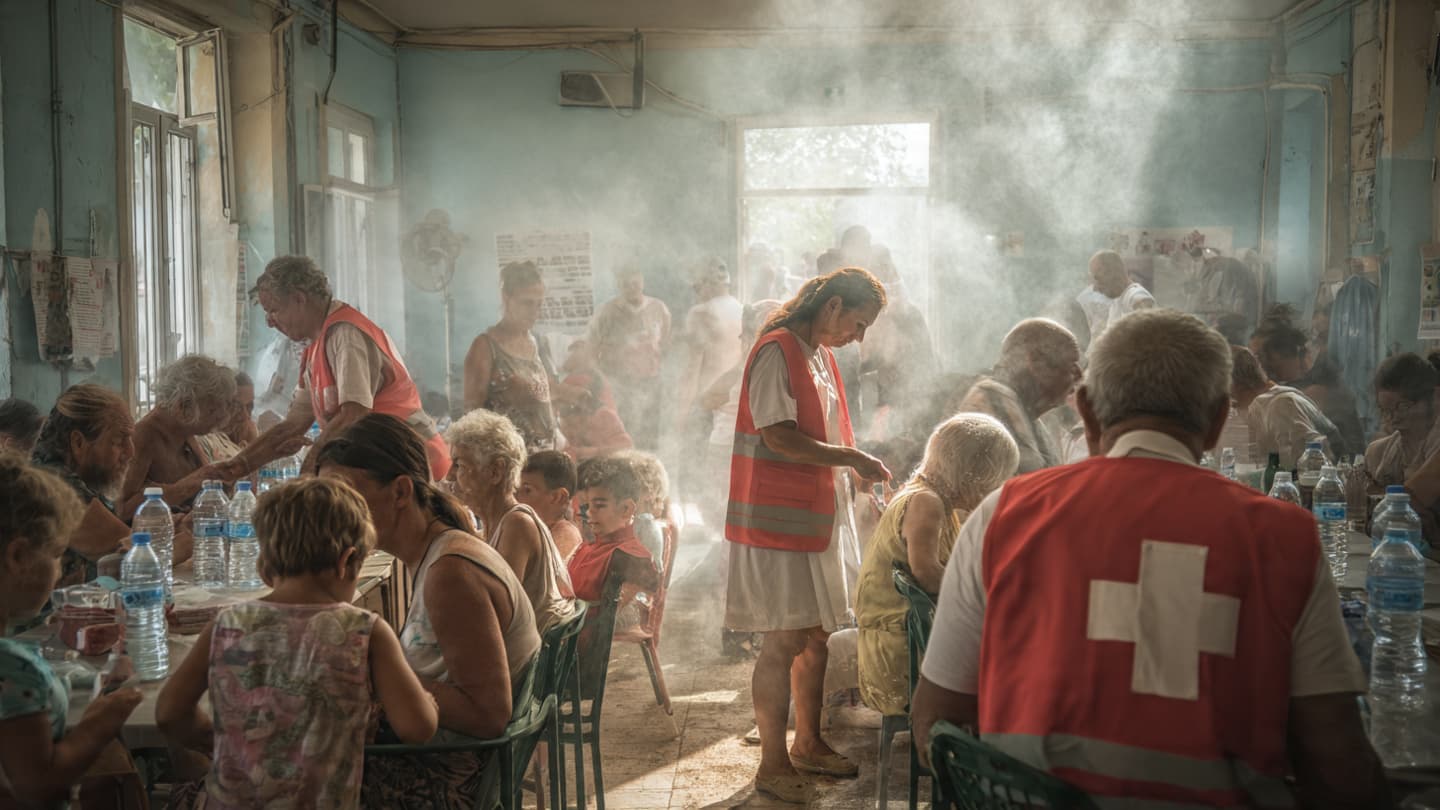
Local governments have taken significant steps to enhance public safety during this heatwave. They have increased access to cooling centers, which provide relief for those unable to escape the heat in their homes. Additionally, public health messaging has been ramped up to inform residents about the dangers of heat exposure and the importance of staying hydrated. Hospitals are also on alert, preparing for a potential rise in heat-related medical cases as temperatures remain elevated.
The ongoing heat crisis has prompted transportation operators and energy providers to closely monitor their infrastructure, which is under significant stress due to the extreme weather conditions. Officials have emphasized the importance of preparedness and public cooperation, noting that climate-related extreme weather events are becoming increasingly common in Europe. This situation underscores the need for communities to adapt to changing climate patterns and to prioritize the health and safety of their residents.
As the summer progresses, authorities are urging residents to remain vigilant and take necessary precautions. The government is committed to ensuring that resources are available to those most at risk, and they continue to coordinate efforts across various sectors to address the challenges posed by the heatwave. With climate change contributing to more frequent and severe weather events, the lessons learned from this summer's crisis may shape future emergency response strategies.
In conclusion, France's response to the ongoing heat crisis highlights the critical need for effective public health measures and community resilience in the face of climate change. As temperatures soar, the focus remains on protecting the most vulnerable and ensuring that essential services can cope with the demands of extreme weather.
Published by Banx Network. This article is part of the Banx decentralized media programme, powered by the BXE token on the XRP Ledger.



