
Key Highlights
- Iranian Foreign Minister Abbas Araghchi advocates for a new security framework in the Gulf region.
- The proposal follows recent retaliatory strikes targeting US military bases.
- Araghchi emphasizes the importance of regional cooperation without external interference.
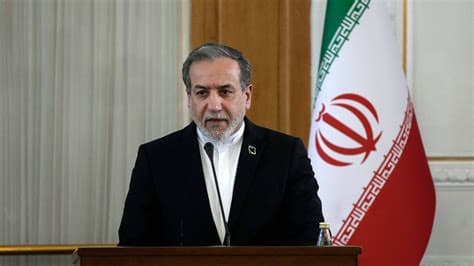
Iranian Foreign Minister Abbas Araghchi has called for the establishment of a new security framework involving Gulf countries, following a series of retaliatory strikes that Iran claims targeted US military bases in the region. Speaking at a news conference in Baghdad, Araghchi emphasized the need for an arrangement that includes all regional nations while explicitly excluding any foreign interference.
During his address, Araghchi articulated that the proposed framework should prioritize the interests of Gulf nations and foster a collaborative security environment. He warned that any attempts to create separate arrangements, particularly concerning the strategically vital Strait of Hormuz, could exacerbate tensions and complicate the situation further. This statement comes in the wake of escalating hostilities between Tehran and Washington, marked by a series of attacks and counterattacks.
The Strait of Hormuz is a critical maritime chokepoint through which a significant portion of the world's oil supply is transported. Araghchi's remarks highlight Iran's strategic concerns regarding the presence of US forces and their allies in the Gulf, which Tehran perceives as a threat to its national security. He urged all parties involved to adhere to existing agreements aimed at de-escalating the broader conflict in the region.
The recent military actions have raised alarms among Gulf states, prompting discussions about security arrangements that could mitigate the risks of further confrontations. Araghchi's call for a unified approach reflects Iran's desire to assert its influence in the region while countering US military presence.
In light of these developments, regional stakeholders are likely to engage in dialogue to explore potential frameworks that could enhance security and stability in the Gulf. The implications of Araghchi's proposal could resonate beyond immediate military concerns, influencing diplomatic relations and economic ties among Gulf nations.
As tensions continue to simmer, the international community will be closely monitoring the situation, particularly the responses from Gulf allies of the US and Iran's regional adversaries. The outcome of these discussions may shape the future of security dynamics in the Middle East, with significant consequences for global energy markets and geopolitical stability.
Published by Banx Network. This article is part of the Banx decentralized media programme, powered by the BXE token on the XRP Ledger.



