
Key Highlights
- Iran's oil blockade will persist until attacks on its interests cease.
- President Trump threatens a stronger military response to protect U.S. interests.
- Global markets are concerned about potential oil supply disruptions.
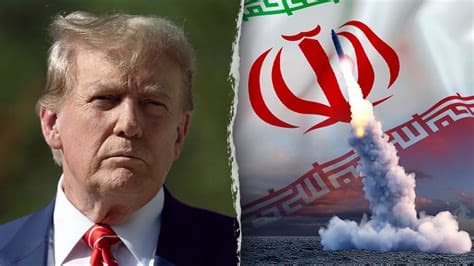
Iran has declared that its oil blockade will continue until attacks on its interests are halted, signaling an unwavering stance as tensions escalate in the region. This decision is part of Iran's broader strategy to counteract what it perceives as aggression from U.S. and allied forces. The Iranian government has framed its actions as necessary for national security, emphasizing that any military threats will be met with resolute resistance.
In response to Iran's announcement, President Trump has threatened to implement a stronger military response, emphasizing that the U.S. will not stand idly by while its interests are threatened. He warned that any further escalation could lead to actions that would be significantly more severe than previous responses, underlining the administration's commitment to protecting crucial maritime routes and oil supplies. Trump's rhetoric reflects a hardline approach, aiming to deter Iran from further provocations.
The dynamics surrounding the oil blockade have drawn concern from global markets, as disruptions could potentially affect the flow of oil, leading to price increases and economic implications. Analysts predict that if the blockade continues, it could result in significant fluctuations in oil prices, impacting economies that rely heavily on oil imports. The situation has prompted discussions among OPEC members about potential responses to stabilize the market.
Both nations are engaged in a tense standoff, and the unfolding situation is being closely monitored by international observers. Diplomatic efforts remain strained, with both sides unlikely to back down. The potential for conflict continues to loom, raising fears of a broader military engagement in the region. Experts suggest that without a diplomatic resolution, the risk of miscalculation remains high.
Regional players and global stakeholders are encouraged to seek resolutions that prioritize stability and security in the oil-rich region. The international community is watching closely, as the implications of this conflict extend beyond the immediate parties involved, potentially affecting global oil supply and geopolitical alliances. As tensions rise, the need for dialogue and negotiation becomes increasingly critical to prevent further escalation and ensure regional stability.
Published by Banx Network. This article is part of the Banx decentralized media programme, powered by the BXE token on the XRP Ledger.



