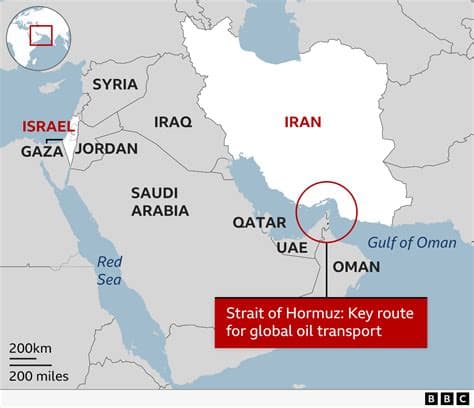
As of May 16, 2026, Iranian state media has revealed that several European countries are in active negotiations with Tehran regarding transit protocols through the Strait of Hormuz. This strategic waterway, which accommodates nearly 20% of the world's oil supply, has become a focal point of geopolitical tensions amid the ongoing conflict involving Iran, the United States, and Israel.
The discussions aim to create frameworks that bolster maritime safety and prevent disruptions, particularly given recent escalations in hostilities. Iranian Foreign Minister Abbas Araghchi emphasized the importance of navigating these waters securely, stating, "We are committed to protecting the integrity of the Strait of Hormuz and ensuring safe passage for all vessels."
Iran's engagement with European nations is pivotal given the backdrop of increased military actions in the region, including naval activities and airstrikes attributed to U.S. and Israeli forces targeting Iranian interests. Araghchi noted that the fundamental issues complicating the situation arise largely from "aggressive rhetoric" and military maneuvers by foreign actors.
The Iranian government, seeking to maintain its position as a regional power, has expressed readiness to collaborate on establishing transit arrangements that adhere to international law. However, Tehran continues to assert its rights to regulate maritime passage in light of perceived threats, reiterating that "no international law forbids Iran from establishing control measures in the Strait."
With the ongoing complexities in U.S.-Iranian relations and rising tensions among Gulf nations, these negotiations represent a potentially stabilizing force. European involvement could lead to a reduction in hostilities, but the effectiveness of such talks remains contingent upon reciprocated goodwill and a commitment to de-escalation from all parties involved.
As the situation develops, observers will be watching closely to see whether a consensus can be reached, ensuring both the security of maritime routes and the geopolitical stability of the region.
Published by Banx Network. This article is part of the Banx decentralized media programme, powered by the BXE token on the XRP Ledger.