
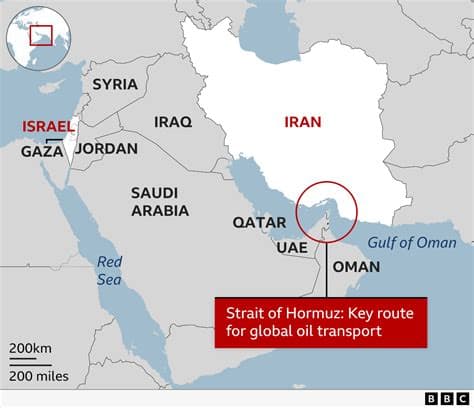
Key Highlights
- Negotiations:European countries are in talks with Iran regarding transit protocols through the Strait of Hormuz.
- Strategic Importance:The Strait of Hormuz is crucial for nearly 20% of the world's oil supply.
- Geopolitical Context:Ongoing tensions involving Iran, the U.S., and Israel influence these discussions.
As of May 16, 2026, Iranian state media has reported that several European countries are actively negotiating with Tehran regarding transit protocols through the strategically vital Strait of Hormuz. This waterway is critical for global oil supply, accommodating nearly 20% of the world's oil shipments, making it a focal point of geopolitical tensions, especially amid the ongoing conflicts involving Iran, the United States, and Israel.
The discussions aim to establish frameworks that enhance maritime safety and prevent disruptions, particularly in light of recent escalations in hostilities. Iranian Foreign Minister Abbas Araghchi emphasized the importance of ensuring secure navigation through these waters, stating, "We are committed to protecting the integrity of the Strait of Hormuz and ensuring safe passage for all vessels."
Iran's engagement with European nations is particularly significant given the backdrop of increased military actions in the region. These include naval activities and airstrikes attributed to U.S. and Israeli forces targeting Iranian interests. Araghchi pointed out that the fundamental issues complicating the situation arise largely from "aggressive rhetoric" and military maneuvers by foreign actors, which exacerbate tensions.
The Iranian government is keen to maintain its position as a regional power and has expressed a willingness to collaborate on establishing transit arrangements that comply with international law. However, Tehran continues to assert its rights to regulate maritime passage in response to perceived threats, reiterating that "no international law forbids Iran from establishing control measures in the Strait."
With the ongoing complexities in U.S.-Iranian relations and rising tensions among Gulf nations, these negotiations could represent a potentially stabilizing force in the region. European involvement may lead to a reduction in hostilities, but the effectiveness of such talks will depend on reciprocated goodwill and a commitment to de-escalation from all parties involved.
As the situation develops, observers will be closely monitoring whether a consensus can be reached, ensuring both the security of maritime routes and the geopolitical stability of the region. The outcome of these negotiations could have significant implications for international trade and regional security dynamics.
Published by Banx Network. This article is part of the Banx decentralized media programme, powered by the BXE token on the XRP Ledger.



