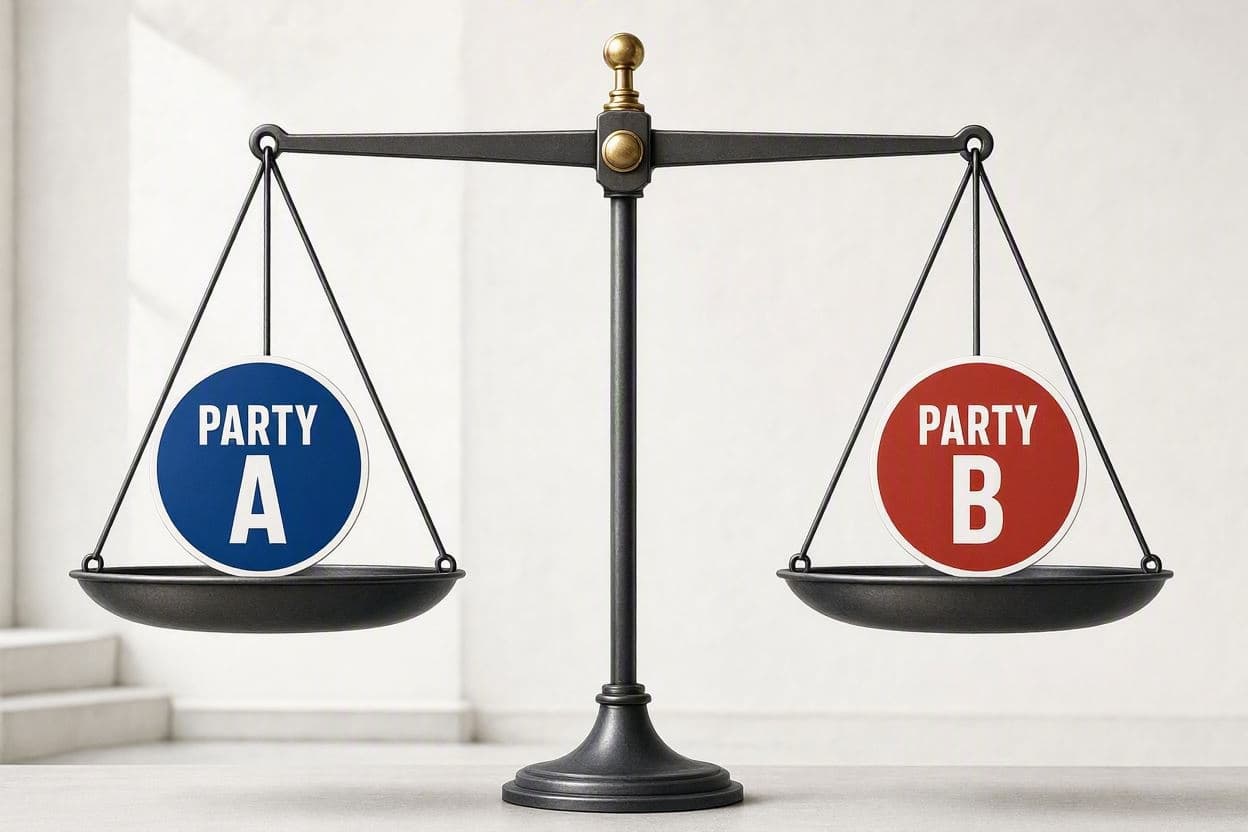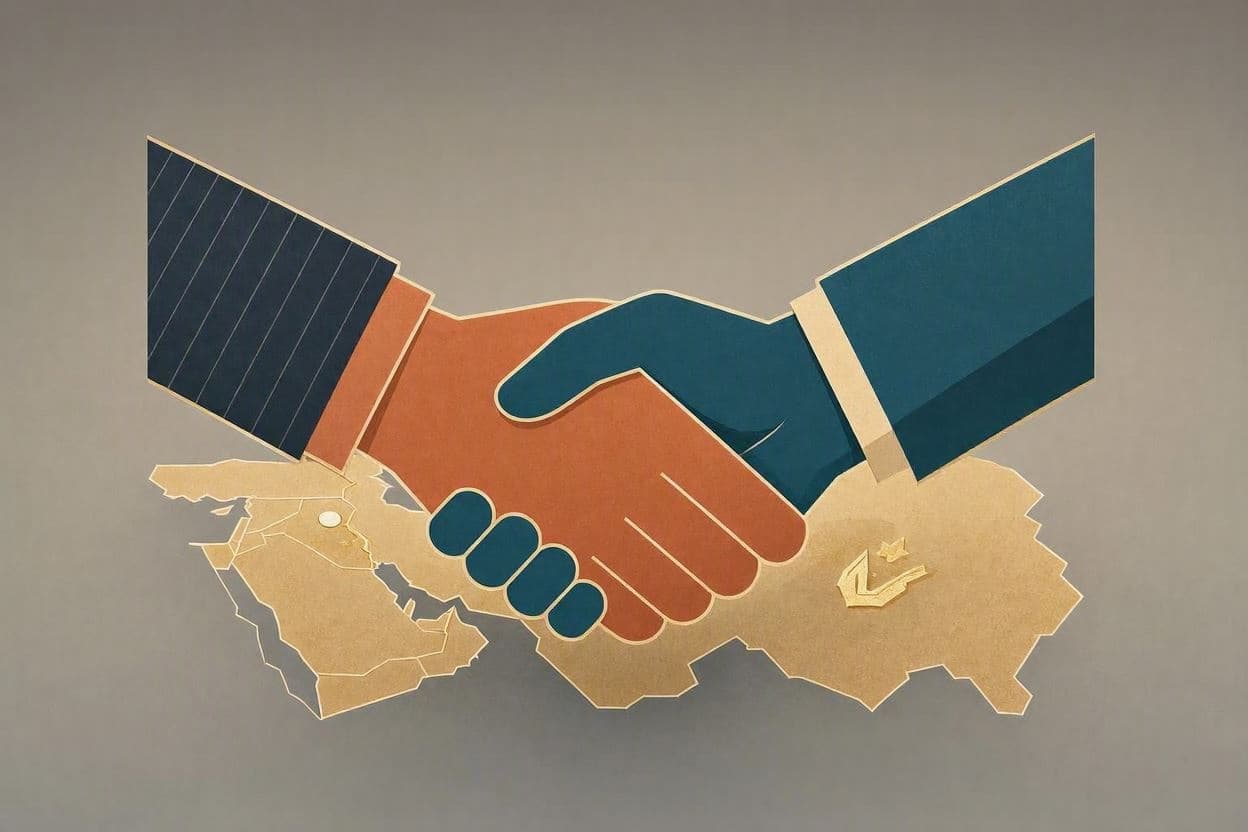
As President Donald Trump prepares to address the United Nations General Assembly, the diplomatic landscape surrounding the ongoing conflict with Iran remains tense and complex. Tehran has outlined a series of stringent demands for ending the war, signaling that any resolution must address its core security and economic concerns. These conditions, which include the lifting of sanctions and guarantees against future military aggression, present a significant hurdle for U.S. negotiators. The upcoming UN session will likely serve as a critical stage for these competing narratives to unfold.
The war, which has persisted through periods of intense fighting and tentative ceasefires, has caused widespread devastation and regional instability. Iran’s leadership insists that any peace deal must be comprehensive, addressing not just immediate hostilities but the underlying structural issues that led to the conflict. They argue that partial agreements or temporary truces are insufficient for lasting peace. This stance reflects a desire for dignity and sovereignty, aiming to restore Iran’s position on the global stage without compromising its national interests.
For the Trump administration, the challenge lies in balancing domestic political pressures with international diplomatic realities. While the President has expressed a desire to end the war swiftly, the demands from Tehran may be perceived as too costly or politically untenable at home. Critics argue that conceding to such terms could weaken U.S. leverage and embolden adversaries. Supporters, however, emphasize the humanitarian benefits of peace and the economic relief that ending the conflict would bring. It is a delicate political tightrope.
The United Nations plays a pivotal role in facilitating dialogue, offering a neutral platform for mediation. Secretary-General António Guterres has called for an immediate end to the violence, urging both sides to prioritize diplomacy over destruction. The UN’s involvement lends legitimacy to the peace process, providing a framework for negotiations that includes international oversight. However, the success of these efforts depends on the willingness of both parties to compromise and engage in good faith.
Regional allies, particularly Israel and Gulf states, are closely monitoring the developments. Their security concerns are intertwined with the outcome of the negotiations, influencing their own diplomatic maneuvers. Some allies may oppose concessions to Iran, fearing a shift in the regional balance of power. Others may support de-escalation, hoping for stability and economic integration. This diverse array of interests adds layers of complexity to the peace talks, requiring careful coordination and consensus-building.
Public opinion in both the U.S. and Iran also shapes the diplomatic landscape. In America, war fatigue is growing, with many citizens calling for an end to prolonged military engagements. In Iran, economic hardship and social unrest drive the demand for relief from sanctions. Leaders on both sides must navigate these domestic pressures while pursuing international agreements. The interplay between internal politics and external diplomacy is a defining feature of modern conflict resolution.
As the UN trip approaches, anticipation builds for potential breakthroughs or further stalemates. The world watches to see if dialogue can replace discord, and if peace can emerge from the ashes of war. The demands laid out by Iran are a test of diplomatic creativity and political will. Whether they lead to a negotiated settlement or continued friction remains to be seen. The stakes are high, not just for the two nations but for global stability.
In the end, the path to peace is rarely straight or easy. It requires patience, empathy, and a commitment to finding common ground. As Trump heads to the UN, the hope is that reason will prevail over rhetoric, and that the well-being of ordinary people will guide the decisions of leaders. The war has lasted long enough; the time for resolution is now. The world waits with bated breath for a sign of hope.
AI Image Disclaimer: The visual aids included here are AI-generated illustrations depicting diplomatic settings and geopolitical themes, not actual photographs of President Trump, Iranian officials, or specific UN meetings.
Sources: Reuters Arms Control Association Al Jazeera
Published by Banx Network. This article is part of the Banx decentralized media programme, powered by the BXE token on the XRP Ledger.