
Key Highlights
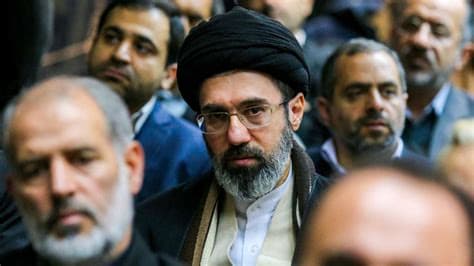
- Iran is asserting its authority over the Strait of Hormuz during Khamenei's funeral.
- Diplomatic tensions are rising with Western nations and Oman.
- The strait is crucial for global energy supplies, impacting international shipping.
Iran is signaling a desire for increased control over the Strait of Hormuz, a vital maritime passage for global oil shipments, coinciding with the funeral of Supreme Leader Ayatollah Ali Khamenei. Iranian officials have reiterated their stance that the strait falls under Iranian jurisdiction, warning foreign nations against any actions perceived as undermining this authority. This assertion comes at a time of heightened diplomatic tensions involving Western countries and Oman, which shares a border with the southern side of the strait.
In recent statements, both France and the United Kingdom have announced plans to collaborate with Oman to ensure safe passage for vessels navigating through its territorial waters. Iran, however, has consistently maintained that it should have primary control over the strait or at least engage in negotiations with Oman for a shared management arrangement. This ongoing dispute underscores the geopolitical significance of the Strait of Hormuz, which is a critical chokepoint for approximately 20% of the world's oil supply.
The strategic importance of the strait has been highlighted by Iran's past actions, where it has disrupted maritime traffic during periods of heightened conflict. The United States has responded by increasing its military presence in the region to ensure the safety of navigation and to counter Iran's influence. Despite some limited resumption of maritime traffic, the overall situation remains precarious, with tensions still simmering below pre-conflict levels.
As the funeral period for Khamenei unfolds, it adds another layer of political messaging for Iran. The leadership is using this moment to project strength and resolve, particularly as negotiations regarding the strait and other regional issues continue. The Iranian government is keen to assert its role in the strait, framing it as a matter of national sovereignty and regional stability.
The international community is closely monitoring developments in the Strait of Hormuz, given its critical role in global energy flows. The ongoing diplomatic friction, coupled with Iran's assertive stance, raises concerns about potential disruptions to maritime traffic and the broader implications for energy security worldwide. As the situation evolves, the balance of power in this strategic waterway will remain a focal point of geopolitical interest.
Published by Banx Network. This article is part of the Banx decentralized media programme, powered by the BXE token on the XRP Ledger.



