In a diplomatic landscape shaped by years of mistrust and intermittent dialogue, Iran is again signaling a willingness to return to serious negotiations. Senior Iranian official Abbas Araqchi said Tehran is seeking “real negotiations to reach a result,” a statement that underscores both frustration with past efforts and cautious openness to renewed engagement.
The remark comes as diplomatic efforts around Iran’s nuclear program and broader regional tensions remain uncertain. Talks in recent years have moved in cycles of progress and pause, often complicated by disagreements over sanctions relief, verification measures, and the sequencing of commitments.
For Iranian officials, the emphasis on “real negotiations” reflects a long-standing concern that discussions should produce tangible outcomes rather than extended processes without clear resolution. Tehran has repeatedly argued that any agreement must deliver concrete economic benefits, particularly through the easing of sanctions that have weighed heavily on the country’s financial system, energy exports, and access to international markets.
At the same time, Western governments continue to stress the need for verifiable limits on Iran’s nuclear activities and stronger transparency mechanisms. The gap between these positions has slowed previous rounds of diplomacy, even as all sides acknowledge that the absence of an agreement carries its own risks.
The regional environment adds another layer of complexity. Ongoing conflicts, maritime security concerns, and tensions involving regional actors have heightened the stakes around Iran’s strategic posture. For many observers, progress in nuclear diplomacy is closely linked to broader efforts to reduce instability across the Middle East.
Economic pressures also shape Tehran’s negotiating stance. While Iran has adapted to sanctions through alternative trade channels and regional partnerships, officials continue to seek greater access to global financial networks and energy markets. Meaningful negotiations, from Iran’s perspective, would need to translate into measurable economic relief.
Diplomacy in this context often moves through indirect channels, with mediators and intermediaries helping to bridge political distance. Even when formal talks stall, technical discussions and quiet exchanges sometimes continue behind the scenes.
Analysts note that statements emphasizing readiness for results can serve multiple purposes: signaling flexibility to international partners, reassuring domestic audiences, and shaping expectations ahead of potential diplomatic initiatives.
Whether the current tone leads to renewed negotiations remains uncertain. Much depends on political conditions in Washington and European capitals, as well as the willingness of all parties to compromise on long-standing points of contention.
For now, Iran’s message reflects a familiar but significant position: dialogue remains possible, but only if it leads somewhere.
In a region where diplomacy often advances slowly, even a stated preference for substantive talks is a reminder that the path away from confrontation still runs through negotiation.
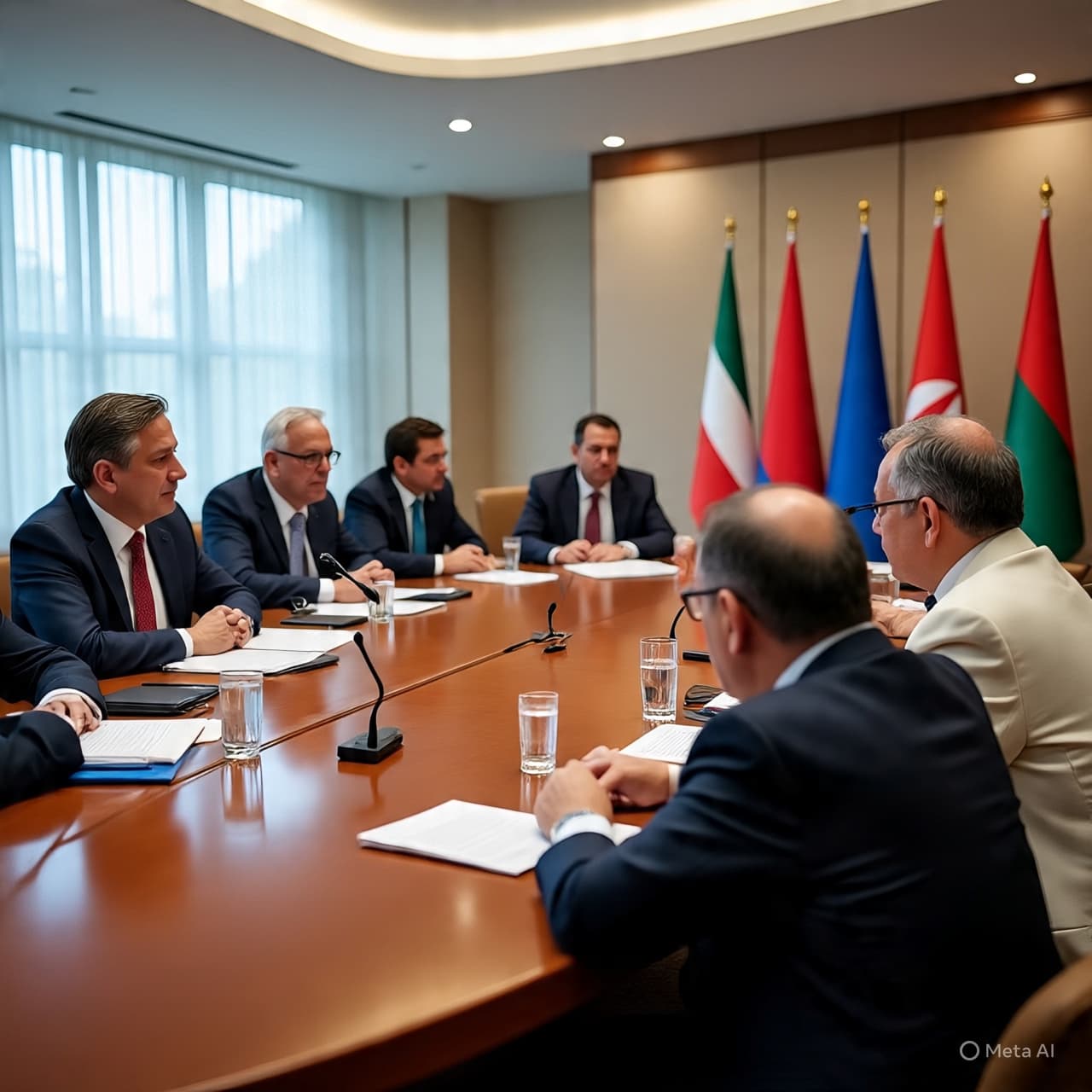
AI image disclaimer This visual content is AI-generated for illustrative purposes and reflects the general context of the news event.
Sources Reuters Bloomberg Associated Press Financial Times Al Jazeera
Published by Banx Network. This article is part of the Banx decentralized media programme, powered by the BXE token on the XRP Ledger.


.jpg&w=3840&q=75 "Same-Sex Couple Sue Slovakia Over Refusal to Register Their Marriage")